

Market overview as of 2 November 2026
For a Cameroonian processor, the most relevant market signal is not the bean quotation alone, but how that quotation affects the cost of producing liquor, butter, powder and cake. On 30 October 2026, Cameroon’s National Cocoa and Coffee Board reported an FOB cocoa price of XAF 3,188/kg and a Douala buying range of XAF 2,700–2,750/kg. These figures are market references rather than firm prices available under every industrial supply contract.1
At this level of raw-material value, a grinder needs close control over procurement, yields and technical specifications. A bean lot’s industrial value is not determined by weight alone. Moisture, fermentation, defects, consistency and recoverable fat content can affect liquor output, butter pressing and the characteristics of the resulting cake used for powder production.
Implications for bean processing
Balancing liquor, butter, powder and cake
Cocoa liquor is the first commercial intermediate obtained after roasting, winnowing and grinding. It can be sold directly or pressed into butter and cake. Processing economics should therefore be assessed across the combined butter-and-powder equation instead of considering each output in isolation.
Lower demand in one grinding market may reduce bean use or alter the commercial balance between derivatives. An international news feed carries a headline reporting weaker Brazilian cocoa grinding in a context described as declining demand. Because the available excerpt is only a headline, it should be treated as a monitoring signal and checked against primary grinding or transaction data before commercial decisions are made. For processors, the practical response is to monitor orders for butter, natural or alkalised powder, liquor and cake separately.5
The same feed reports offtake arrangements for Ghanaian semi-finished cocoa products with buyers in Gulf markets. The existence, scope and commercial volumes of those arrangements require confirmation. Nevertheless, the signal illustrates why processors should prospect among industrial users of cocoa derivatives rather than relying only on traditional bean-export channels.5
Quality and continuity of bean supply
Cameroon’s NCCB highlights initiatives concerning quality at origin and cocoa traceability. Such initiatives may support the assembly of more consistent lots, but they do not replace intake controls at the processing plant. Supply contracts should define analytical criteria, sampling procedures, lot segregation and the treatment of beans that fail agreed quality specifications.1
Regional monitoring headlines also refer to weather-related risks in Ghana and changing availability across West Africa. The excerpts supplied do not contain enough primary data to establish their actual effect on Cameroonian procurement or derivative markets. These potential impacts therefore remain to be confirmed.6
Documentary readiness for European customers
The European Commission states that its policy objectives include reducing the land footprint associated with European consumption and improving the availability and quality of information on forests and commodity supply chains. For a cocoa processor, documentary preparation needs to preserve the connection between incoming beans, internal production batches and outgoing derivatives.7
Readiness work may include supplier identification, retention of available origin data, tracking of internal product movements, volume reconciliation and systematic record archiving. These preparations do not, on their own, justify describing any batch or SAMEN INDUSTRY as compliant with the EU regulation.
SAMEN INDUSTRY’s processing position
Verified company information describes a grinding line in Baré-Bakem with capacity of about 4 tonnes per hour, equivalent to approximately 32,000 tonnes of beans per year. Its target outputs are cocoa butter, powder, liquor or mass, and cake. This industrial profile makes supply-basin security, bean qualification and balanced sales outlets for both fat and solid fractions central operating priorities.
A consistent butter outlet without an aligned market for cake or powder can create an inventory imbalance. Conversely, powder demand must be matched with the required colour, flavour, fat content and microbiological specifications. Commercial planning should therefore connect bean purchasing with confirmed derivative specifications and delivery schedules.
Information still requiring confirmation
Commissioning had been announced for before July 2026, but the monitoring sources supplied do not confirm the plant’s operating status as of 2 November 2026. Current derivative sales terms, available product specifications, delivery schedules and any binding offtake commitments also require primary confirmation.
The Business in Cameroon page mentioning cocoa processing dates from 2012. It can provide historical context, but it is not evidence of Cameroon’s current processing structure or SAMEN INDUSTRY’s present operating status.2
Sources
- 1.ONCC Cameroun (opens in a new window)oncc.cm/home
- 2.Business in Cameroon (opens in a new window)businessincameroon.com/agriculture
- 3.environment.ec.europa.eu (opens in a new window)environment.ec.europa.eu/topics/forests/deforestation_en
- 4.news.google.com (opens in a new window)news.google.com/rss/search?q=cocoa+OR+cacao+price+OR+ICCO&hl…
- 5.Google News cocoa derivatives
- 6.Google News cacao Afrique/CM
- 7.EUDR Commission
Related news
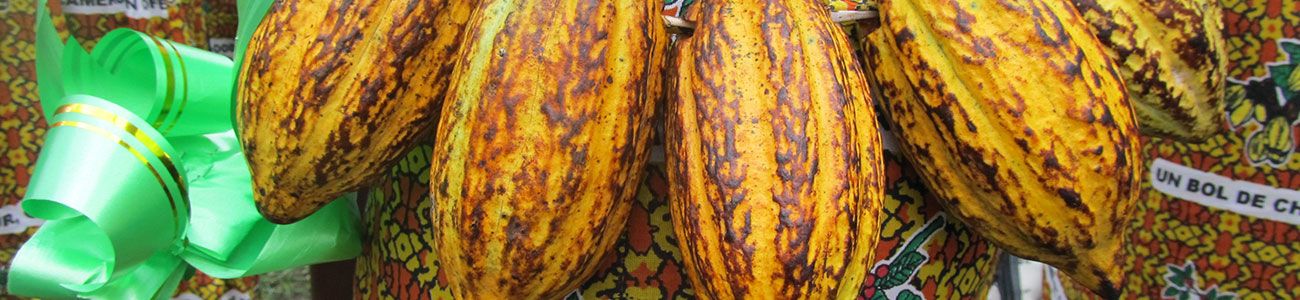
Cocoa processing: securing beans and managing derivative value
Cameroon's bean price environment increases the importance of industrial yield. Butter, powder, liquor and cake must be managed through quality, market outlets and traceability.
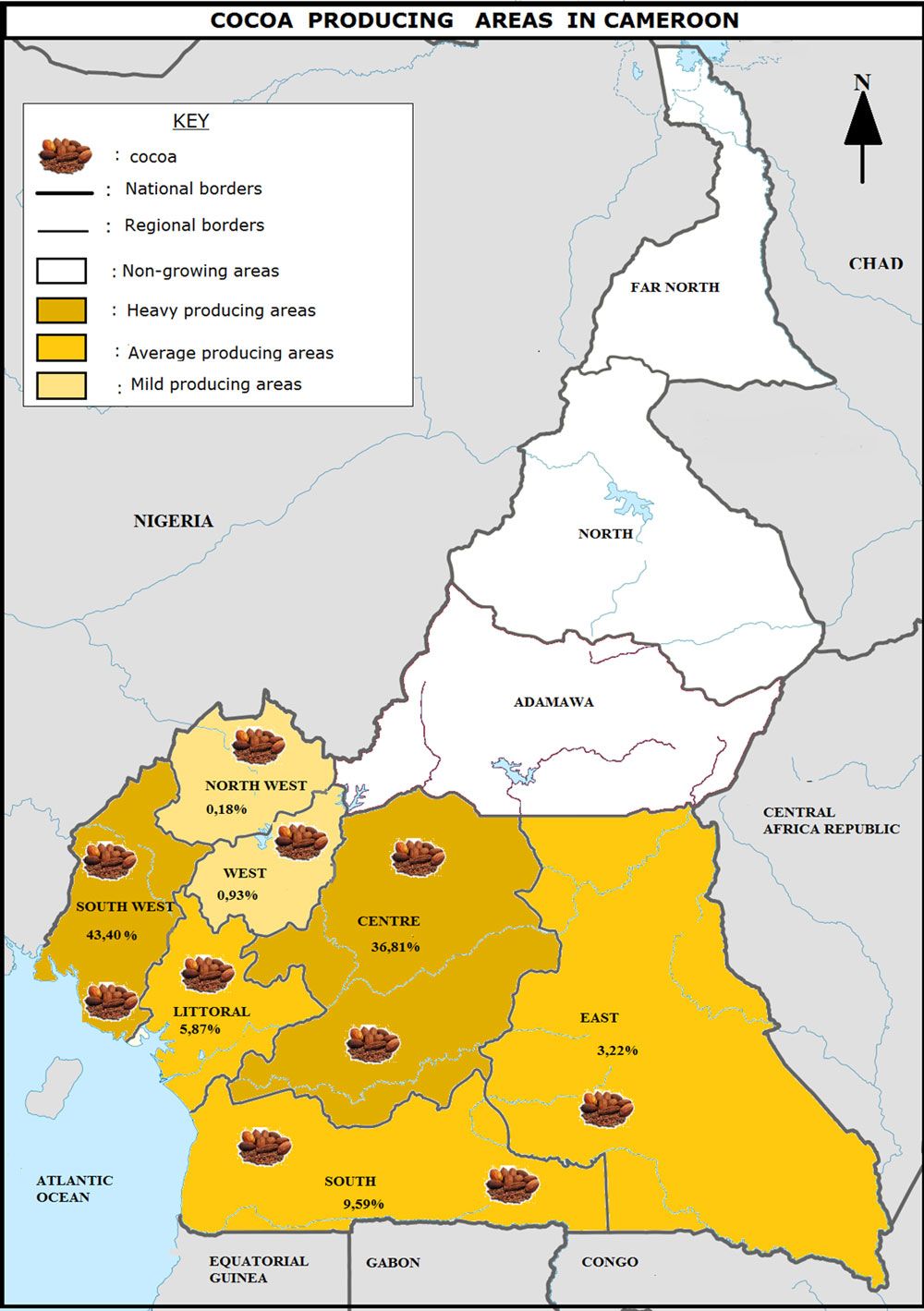
Cocoa processing: securing raw material, outlets and traceability
Cameroonian and international signals call for integrated grinding management: bean costs, quality, the butter-powder balance and documentary readiness must be managed together.
Cocoa processing: bean availability returns to the centre of grinder strategy
Cameroon’s published bean levels keep raw-material costs under pressure. Internationally, harvest delays and recovering grindings call for tighter procurement, inventory and cocoa-derivative planning.