
Market overview
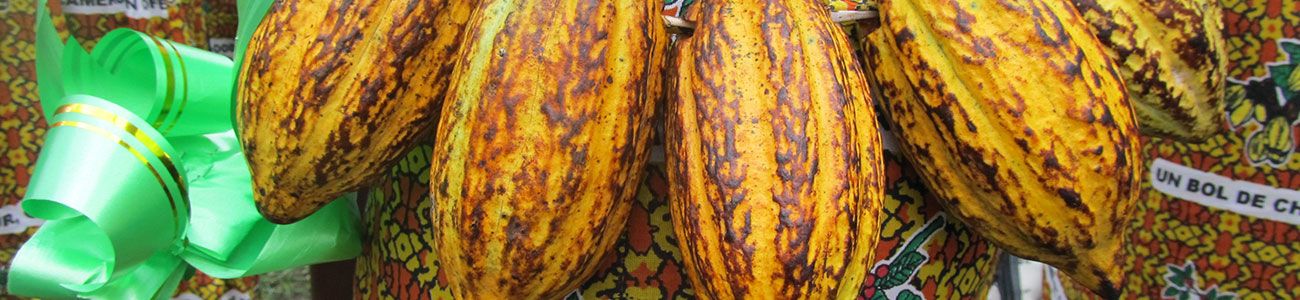
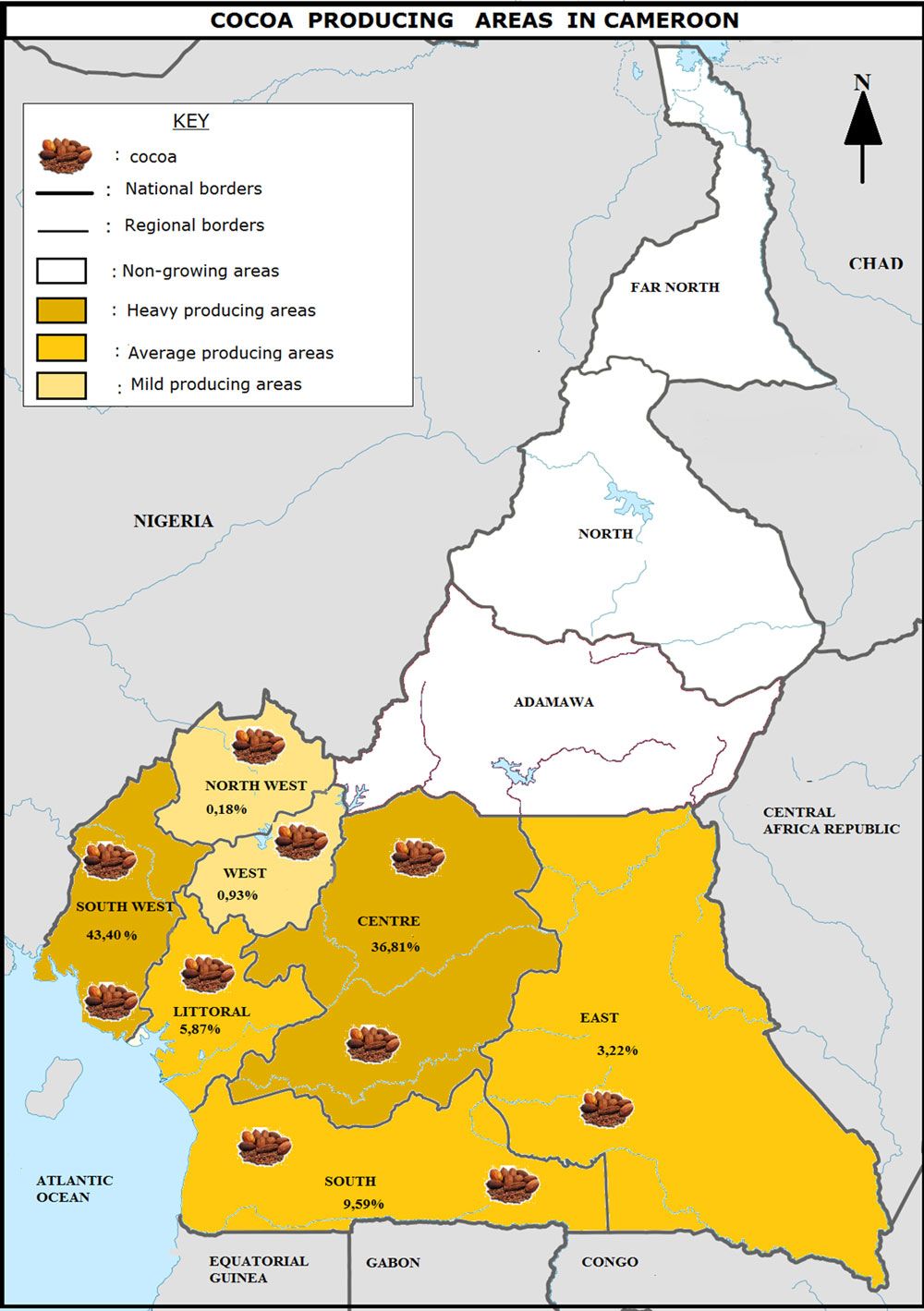
As of 1 November 2026, the clearest verified signal in Cameroon is the high cost of cocoa beans. For 30 October, the National Cocoa and Coffee Board reported a CIF reference of XAF 3,267/kg, an FOB reference of XAF 3,188/kg and a Douala buying range of XAF 2,700–2,750/kg. These figures are neither a guaranteed procurement price for a processor nor a direct quotation for cocoa butter, powder, liquor or cake. They nevertheless provide an important industrial benchmark: when beans account for a substantial share of processing costs, value creation depends increasingly on grinding yield, consistent quality and the coordinated sale of all outputs.1

International market signals remain mixed. Recent headlines report weaker cocoa grinding in Brazil amid declining demand, while other coverage points to Ghanaian offtake agreements for semi-finished cocoa products in Middle Eastern markets. Because these items were available through news feeds, their full details require confirmation from the original publications. As directional signals, however, they show that securing beans is only one part of the processor's task. Buyers must also be developed for butter, powder, liquor and cake.5
Implications for bean processing
Cocoa liquor or mass is the commercial starting point for several processing choices. It may be sold as an ingredient or pressed to separate butter from cake, with the cake subsequently milled into powder according to customer specifications. Industrial performance must therefore be assessed across the complete product basket rather than through the margin of a single derivative.
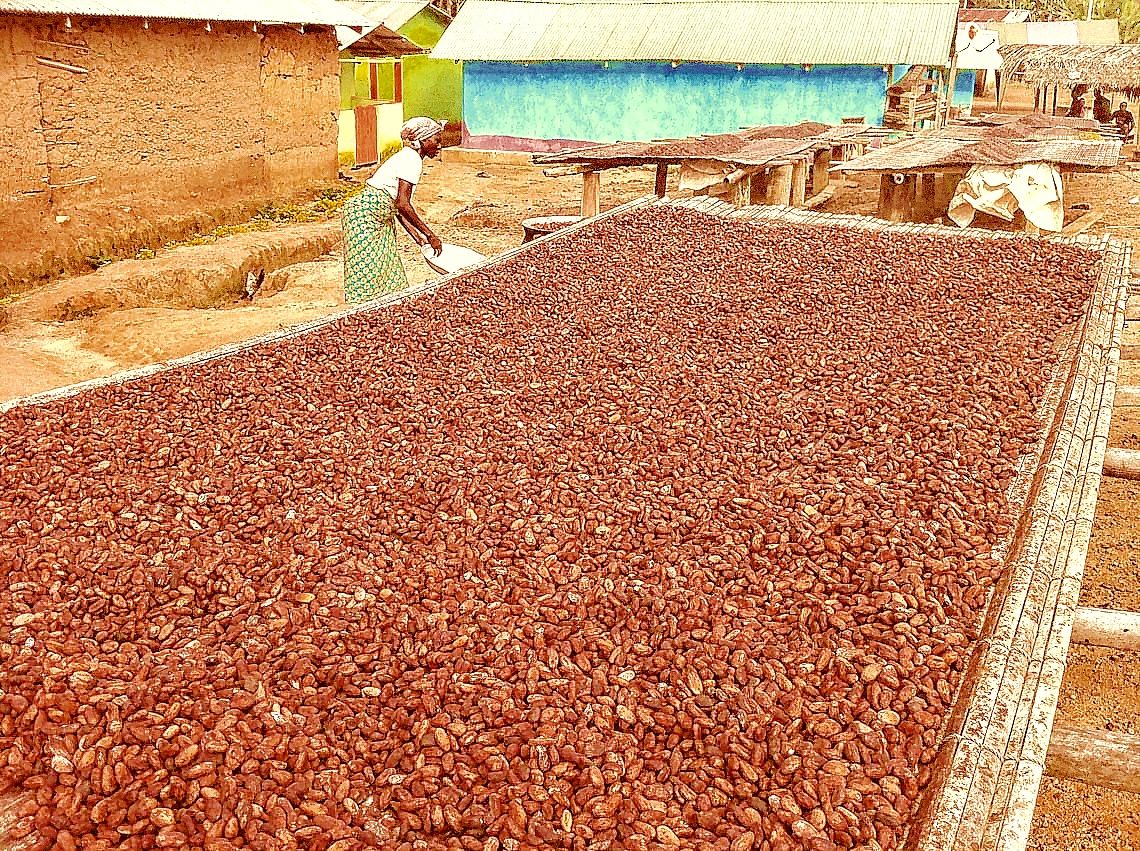
When bean costs are high, control of moisture, fermentation, defects, foreign matter and lot stability becomes critical. Inconsistent beans can disrupt roasting, affect liquor uniformity and make it harder to deliver repeatable butter and powder profiles. Industrial purchasing contracts should address physicochemical, microbiological and sensory requirements, packaging conditions and sampling methods. A cocoa powder recall associated with chemical contaminants was also reported in France. It illustrates the importance of analytical control plans and documented lot release, although it does not support any conclusion about Cameroonian production.6
Commercial planning must account for the balance between processing fractions. Firm demand for butter without a suitable outlet for powder or cake can transfer risk into inventory. Conversely, a powder contract should be linked to a sales strategy for the butter generated during pressing. Reports that chocolate manufacturers are reconsidering their supply chains reinforce the value of contracts defining quality, volumes, timing and supporting documentation.7
Traceability and documentary readiness
The NCCB highlights national initiatives concerning origin-level quality, traceability and Cameroon's preparation for the European Union deforestation regulation. The European Commission states that its objectives include reducing the land footprint of European consumption and improving the availability and quality of information on forests and commodity supply chains.1,8
For a processor, documentary preparation should connect every bean intake to the resulting liquor, butter, powder and cake lots. Relevant records include supplier information, declared origin, quality controls, inventory movements, processing data and shipment references. This constitutes documentary readiness. It does not, by itself, justify describing a lot or SAMEN INDUSTRY as EUDR documentary readiness.
Relevance for SAMEN INDUSTRY
The Baré-Bakem project is designed around a grinding line of about 4 tonnes per hour, equivalent to approximately 32,000 tonnes of beans per year. Its target portfolio includes cocoa butter, powder, liquor or mass, and cake. In the current environment, industrial priorities include qualifying procurement areas, establishing intake specifications, monitoring yield by lot and building balanced outlets for the different processing fractions.
The plant's actual operating status is not established by the market-monitoring sources supplied. Commissioning had been announced before July 2026, but confirmation is required. Available volumes, commercial specifications, delivery schedules, any certifications and contractual conditions must also be verified directly before a purchasing or partnership decision is made.
Items requiring confirmation
The full details behind international news-feed headlines, price movements after 30 October, demand conditions for each derivative and SAMEN INDUSTRY's current operating position all require further verification. The Business in Cameroon archive contains an item concerning cocoa processing in Cameroon, but it dates from 2012 and should not be used as evidence of the country's present industrial capacity.2
For buyers and industrial partners, the immediate priority is therefore not to interpret bean prices in isolation. It is to evaluate how procurement quality, processing yields, derivative demand and documentary readiness interact across the complete bean-to-product chain.
Sources
- 1.ONCC Cameroun (opens in a new window)oncc.cm/home
- 2.Business in Cameroon (opens in a new window)businessincameroon.com/agriculture
- 3.environment.ec.europa.eu (opens in a new window)environment.ec.europa.eu/topics/forests/deforestation_en
- 4.news.google.com (opens in a new window)news.google.com/rss/search?q=cocoa+OR+cacao+price+OR+ICCO&hl…
- 5.Valor International; source: Farmers Review Africa
- 6.Le Figaro
- 7.Supply Chain Dive
- 8.European Commission
Related news

Cocoa processing: securing beans and derivative outlets
Cameroonian bean prices remain a major input-cost factor. Industrial priorities are bean quality, balanced butter-powder sales and documentary readiness for traceable production lots.
Cocoa processing: securing raw material, outlets and traceability
Cameroonian and international signals call for integrated grinding management: bean costs, quality, the butter-powder balance and documentary readiness must be managed together.
Cocoa processing: bean availability returns to the centre of grinder strategy
Cameroon’s published bean levels keep raw-material costs under pressure. Internationally, harvest delays and recovering grindings call for tighter procurement, inventory and cocoa-derivative planning.