
Market overview as of 15 October 2026
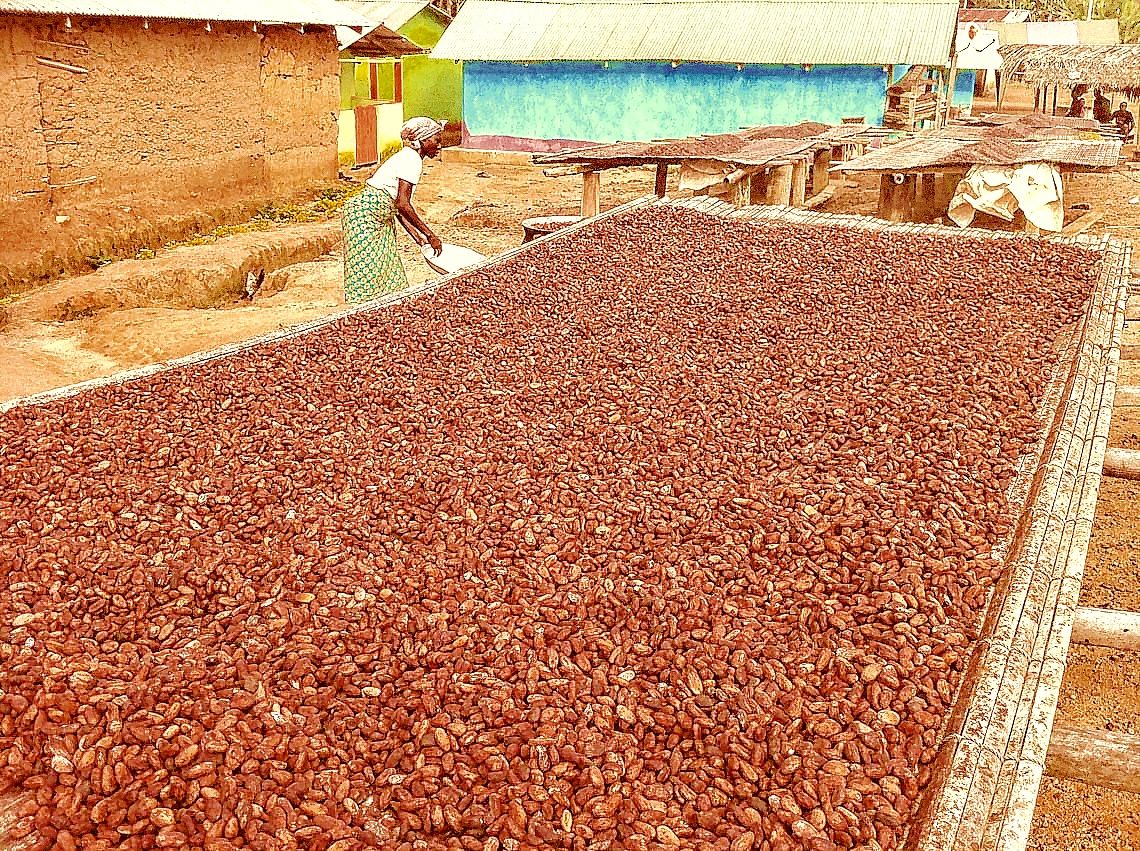
For a cocoa processor, today’s key signal is not the bean price alone. It is the combined impact of raw-material cost, physical availability and demand for cocoa derivatives. In Cameroon, the National Cocoa and Coffee Board displayed, for 12 October, a CIF level of XAF 3,326/kg, an FOB level of XAF 3,246/kg and a Douala buying range of XAF 2,700–2,800/kg.1
These figures provide a procurement reference; they are not automatic quotations for cocoa butter, powder, liquor or cake. Beans nevertheless remain the primary cost exposure for a grinder. High or volatile bean values increase the importance of securing physical supply, managing inventory and finding balanced outlets for all products generated by pressing.
How international signals affect processing
A report relaying ICCO data indicates that global cocoa production increased by 8.5% to 4.733 million tonnes in the 2024/2025 season. This historical figure may point to improved global supply, but it does not establish that beans available to Cameroonian processors will become consistently cheaper or easier to procure.5
More recent headlines point to rain-related harvest delays in Côte d’Ivoire and possible port congestion ahead of European supply-chain requirements. Collection and shipment delays can restrict nearby physical availability even when the overall production outlook is improving.6
For an industrial processor, the practical implications cover the full product mix:
- cocoa liquor or mass requires a continuous and sufficiently homogeneous intake of beans to keep the grinding line supplied;
- butter and cake must be marketed together because they result from the same pressing flow;
- powder availability depends on cake output, as well as the grinding specifications, fat content and quality required by each buyer;
- inventory decisions must account for financing costs, storage conditions and quality variation between lots.
Another market headline reports stronger Ivorian grinding activity in September, while Reuters reports recovering volumes at Barry Callebaut. The detailed data require confirmation, but the direction of travel matters: competition for beans is shaped not only by raw-bean exports, but also by demand from regional and international grinders.6
Quality, traceability and documentary readiness
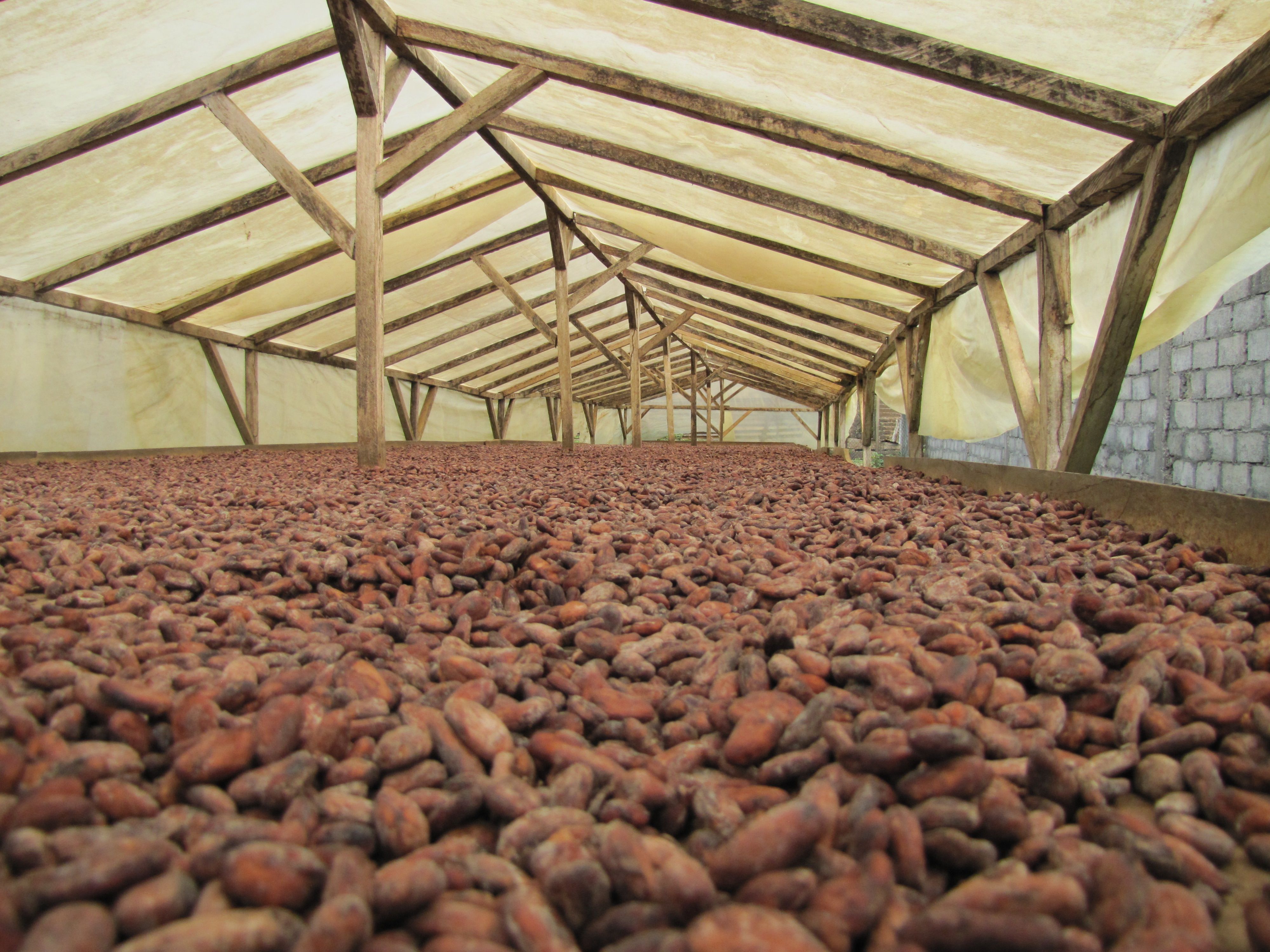
Cameroon’s NCCB highlights initiatives related to quality at origin and to more sustainable and traceable cocoa supply chains. For an industrial facility, such efforts can support lot segregation, supplier documentation and more stable incoming-bean characteristics.1
The European Commission states that its policy objectives include reducing the land footprint of European consumption and improving the availability and quality of information on forests and commodity supply chains. This strengthens the case for structured documentary readiness covering supplier identities, bean origins, lot records, inventory movements and the links between incoming beans and outgoing derivatives.7
Documentary preparation alone does not justify describing a lot or a company as compliant with the EU deforestation regulation. It is a readiness process that must be completed according to the product, destination market and due-diligence responsibilities of the operators involved.
Implications for SAMEN INDUSTRY
SAMEN INDUSTRY’s Baré-Bakem project is designed around a grinding line of about 4 tonnes per hour, equivalent to approximately 32,000 tonnes of beans per year. Its target portfolio includes cocoa butter, powder, liquor or mass, and cake. The industrial priority is therefore to prepare a bean-sourcing strategy aligned with the line’s capacity while developing commercial outlets for every derivative.
The Moungo location provides proximity to a cocoa-producing area, but location alone does not guarantee sufficient volume, consistent quality or regular deliveries. Procurement agreements, bean acceptance criteria, intake controls, lot segregation and sales programmes for butter and powder will need to be developed as one integrated operating system.
Verified facts and points requiring confirmation
Confirmed factsVerified facts
Confirmed factsThe Cameroon price references above are the figures displayed by the NCCB for 12 October 2026. The NCCB also reports initiatives focused on quality, sustainability and traceability. The European Commission confirms the importance of forest and supply-chain information within its policy framework.1
Points requiring confirmation
The signals concerning Ivorian grinding, Barry Callebaut volumes, harvest delays and possible port congestion come from news feeds or headline extracts. Their full data and context should be checked before they are used for purchasing, production or contracting decisions. In addition, SAMEN INDUSTRY’s plant was announced for commissioning before July 2026, but none of the sources supplied for this market watch confirms its operating status as of 15 October 2026.
Sources
- 1.
- 2.businessincameroon.com (opens in a new window)businessincameroon.com/agriculture
- 3.environment.ec.europa.eu (opens in a new window)environment.ec.europa.eu/topics/forests/deforestation_en
- 4.news.google.com (opens in a new window)news.google.com/rss/search?q=cocoa+OR+cacao+price+OR+ICCO&hl…
- 5.Comunicaffe International
- 6.TradingView; source: Reuters
- 7.European Commission
Related news
Cocoa processing: bean costs, quality and traceability shape grinding decisions
Cameroon’s current signal is a costly bean. Processors must therefore secure supply, control derivative yields and analytical quality, and build traceable documentation from beans to finished cocoa ingredients.
Cocoa processing: managing grinding amid high bean costs and traceability demands
Cameroon’s bean-price environment calls for close control of butter, powder, liquor and cake yields. International signals also highlight demand, quality and traceability issues that processors should verify.

Cocoa processing: protecting margins beyond the bean price
Cameroonian bean values remain high while global signals diverge. Industrial processors should secure supply, quality, derivative offtake and documentary traceability together.