
Key points for buyers and processors
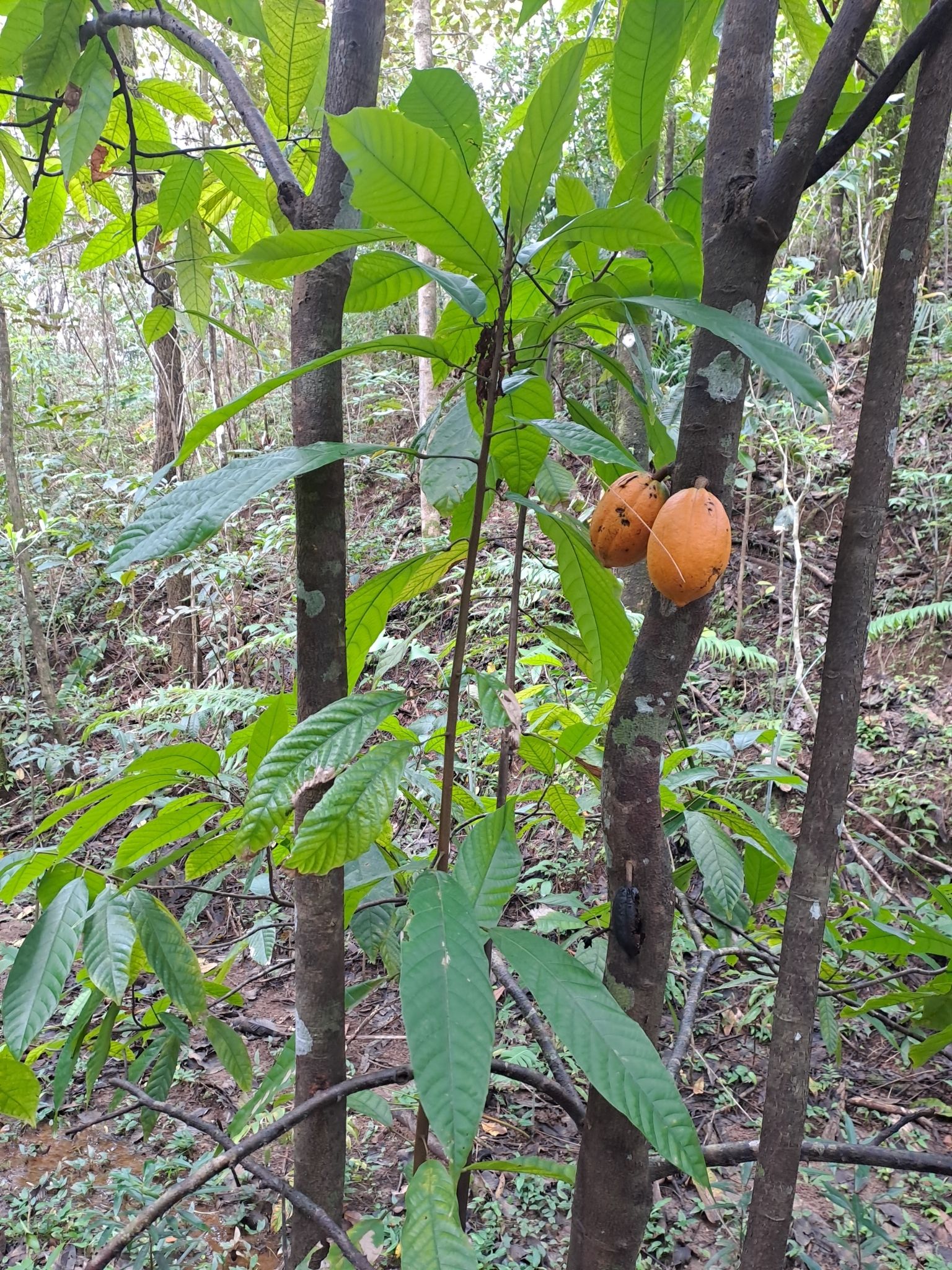
On 2 October 2026, Cameroon’s National Cocoa and Coffee Board displayed cocoa references of XAF 3,162/kg CIF and XAF 3,084/kg FOB, alongside a Douala buying range of XAF 2,650 to XAF 2,700/kg quoted for exporters. These figures provide a market benchmark; they are not a guaranteed procurement price for a processing plant.1
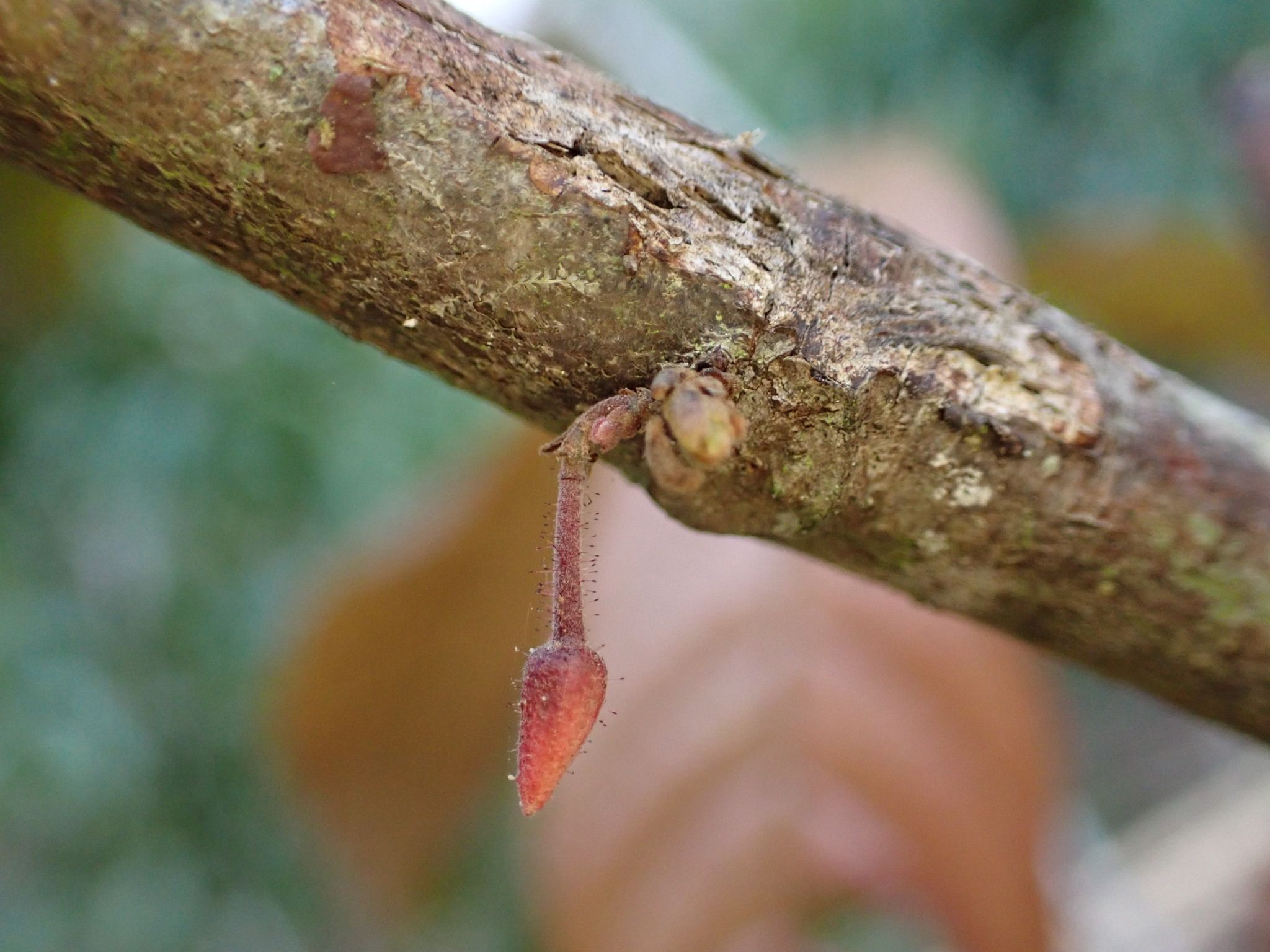
For processors, the main implication is the pressure that bean values place on the production cost of cocoa liquor, butter, powder and cake. Industrial purchasing decisions should therefore extend beyond the nominal bean price. Physical quality, moisture, fermentation, defects, contamination risks and the actual yield achieved through cleaning, roasting, winnowing, grinding and pressing all affect the economic value of a lot.
Connecting bean procurement with derivative value
Higher bean costs directly increase working-capital requirements and make purchasing schedules more important. They also raise the financial impact of processing losses caused by heterogeneous or off-specification lots. A multi-output grinding operation must assess margins across the complete material balance: liquor, extracted butter, press cake and the powder produced after cake milling.
The available international signals are mixed. Press monitoring includes headlines referring to revised ICCO production forecasts, while other coverage points to an international surplus. The supplied excerpts are not sufficient to determine which interpretation reflects the latest complete official balance. Another headline reports weaker cocoa grinding in Brazil amid declining demand, but the excerpt provides neither detailed figures nor a usable comparison period.5,6
Industrial implication
Buyers should verify primary crop, grinding and inventory data before changing processing schedules or stock policies. A decline in bean quotations would not automatically deliver an immediate margin improvement. Supply contracts, previously valued inventories, separate demand conditions for butter and powder, and energy and logistics costs can continue to weigh on processing economics.
Powder quality: analytical control is also a commercial requirement
International monitoring identifies a reported recall of cocoa powder in France over the stated presence of chemical contaminants. The available excerpts do not establish the affected lots, laboratory findings or raw-material origin. Those points must be checked against official recall notices before any operational conclusion is drawn.7
For processors, the signal reinforces that quality control cannot stop at bean intake. Commercial preparation of cocoa powder requires a documented sampling procedure, testing suited to the destination market, production-lot identification, retention of analytical records and the ability to conduct a targeted withdrawal. Segregation and traceability across beans, liquor, butter, cake and powder help prevent an isolated issue from affecting a wider volume.
EU-facing traceability and documentary readiness
Cameroon’s NCCB highlights work on sustainable and traceable cocoa, as well as national preparation for the European Union’s deforestation regulation. The European Commission, meanwhile, identifies the reduction of the EU consumption footprint and better information on commodity supply chains among its main anti-deforestation objectives.1,8
This information does not establish that any lot or operator complies with the EU regulation. For a processor, the practical priority is documentary readiness: linking purchases to the relevant suppliers and production plots, retaining origin information, preserving lot identity through storage and processing, and transmitting consistent records to buyers. Converting beans into cocoa derivatives does not remove the need to connect the product sold with its raw-material origin.
Implications for SAMEN INDUSTRY
SAMEN INDUSTRY is developing a cocoa-processing project in Baré-Bakem targeting butter, powder, liquor or mass, and cake. The announced grinding line is designed for about 4 tonnes per hour, equivalent to approximately 32,000 tonnes of beans per year. Under the market conditions observed, the operational priorities are to secure a diversified procurement portfolio, qualify beans before grinding, monitor derivative yields by lot and build traceability files that industrial customers can use.
Commissioning had been announced for before July 2026. However, the sources supplied for this edition do not confirm the plant’s current operating status. That status must be verified before communicating available volumes, delivery dates or product specifications to buyers.
Information still requiring confirmation
The latest primary ICCO forecasts, the extent of the reported Brazilian grinding slowdown, the official details of the French powder recall, SAMEN INDUSTRY’s future commercial derivative specifications and the plant’s current commissioning status are not established by the available excerpts. No selling price for butter, powder, liquor or cake can be inferred from this monitoring note.
Sources
- 1.ONCC Cameroon (opens in a new window)oncc.cm/home
- 2.businessincameroon.com (opens in a new window)businessincameroon.com/agriculture
- 3.environment.ec.europa.eu (opens in a new window)environment.ec.europa.eu/topics/forests/deforestation_en
- 4.news.google.com (opens in a new window)news.google.com/rss/search?q=cocoa+OR+cacao+price+OR+ICCO&hl…
- 5.Google News — ICCO monitoring
- 6.Google News — cocoa derivatives
- 7.Google News — French cocoa derivatives monitoring
- 8.European Commission
Related news
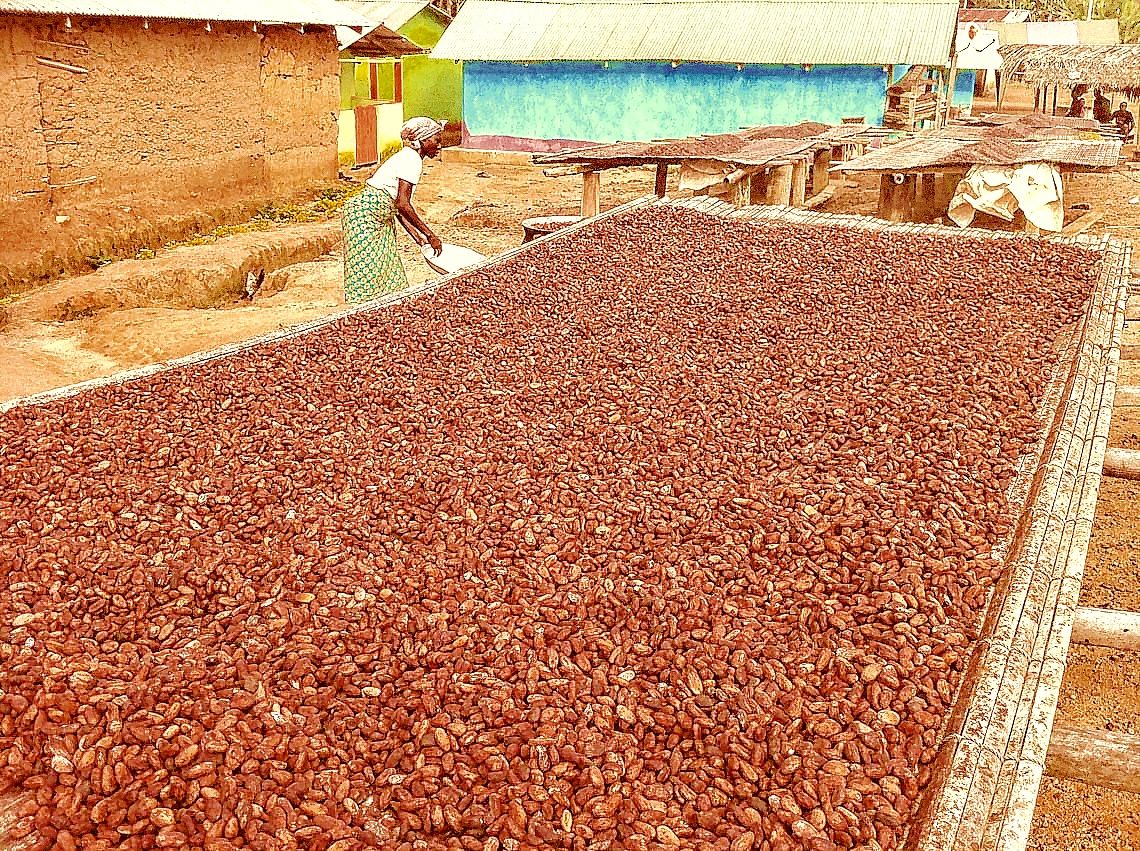
Cocoa processing: bean availability returns to the centre of grinder strategy
Cameroon’s published bean levels keep raw-material costs under pressure. Internationally, harvest delays and recovering grindings call for tighter procurement, inventory and cocoa-derivative planning.
Cocoa processing: managing grinding amid high bean costs and traceability demands
Cameroon’s bean-price environment calls for close control of butter, powder, liquor and cake yields. International signals also highlight demand, quality and traceability issues that processors should verify.

Cocoa processing: protecting margins beyond the bean price
Cameroonian bean values remain high while global signals diverge. Industrial processors should secure supply, quality, derivative offtake and documentary traceability together.