
Market position as of 24 September 2026
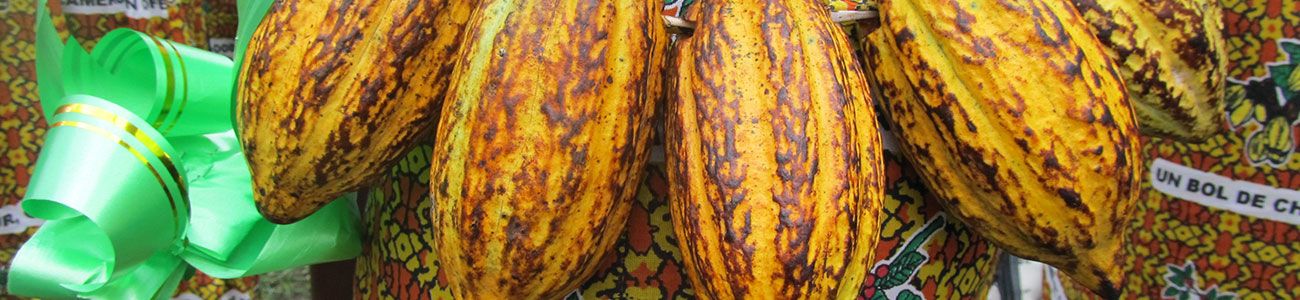
In Cameroon, the National Cocoa and Coffee Board displayed an indicative FOB cocoa price of XAF 2,968 per kilogram on 23 September, alongside a Douala buying range of XAF 2,550 to XAF 2,600 per kilogram. For a processor, this is primarily a raw-material cost signal. Bean prices directly affect working-capital requirements, the cost of cocoa liquor and, after pressing, the economics of both cocoa butter and the cake used to manufacture powder.1

Industrial value, however, cannot be assessed from the purchase price alone. Moisture, fermentation, sorting, defects and lot consistency affect roasting, shell-removal yield, grinding performance, the sensory profile of the liquor and the final quality of butter, powder and cake. Procurement decisions therefore need to combine price monitoring with physical and sensory specifications.
Business in Cameroon also reports that Cameroon has moved up the global ranking for cocoa paste, despite a decline in total exports mentioned in its 23 September headline. This supports the strategic relevance of domestic processing, but the detailed volumes, destination markets and exact statistical period must be confirmed before drawing commercial conclusions.2
Implications for grinding and cocoa derivatives
Cocoa liquor
Liquor is the first major value-creation point after roasting, winnowing and grinding. When beans are expensive, controlling cleaning losses, residual shell content and production downtime becomes particularly important. For industrial buyers, consistent viscosity, colour and flavour profile can be as significant as origin.

Cocoa butter and powder
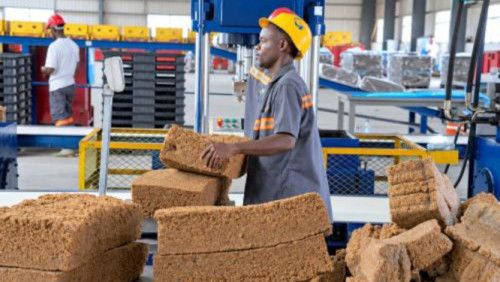
Pressing divides the value of liquor between cocoa butter and press cake. The cake is subsequently milled into cocoa powder. Profitability must therefore be managed across the butter-powder balance rather than product by product. Weaker demand for one output can increase inventory, limit throughput or undermine the overall economics of grinding, even if the other derivative retains commercial demand.
An international market headline reports a decline in Brazilian cocoa grinding amid lower demand. Without additional information on volumes, timing and product categories, this signal cannot be treated as evidence of a worldwide trend. It nevertheless illustrates a practical issue for every processor: installed capacity creates value only when outlets for liquor, butter, powder and cake are secured and diversified.5
Bean availability and quality
Reuters reports that poor rainfall in Côte d’Ivoire is raising concerns about cocoa supply and quality. A Cameroonian processor should not assume that the same conditions automatically apply locally. The operational lesson is to strengthen crop monitoring, physical quality controls and regional availability assessments. Supply or quality problems in a major producing country can influence procurement competition, international buyer expectations and the relative attractiveness of alternative origins.6
Relevance for SAMEN INDUSTRY
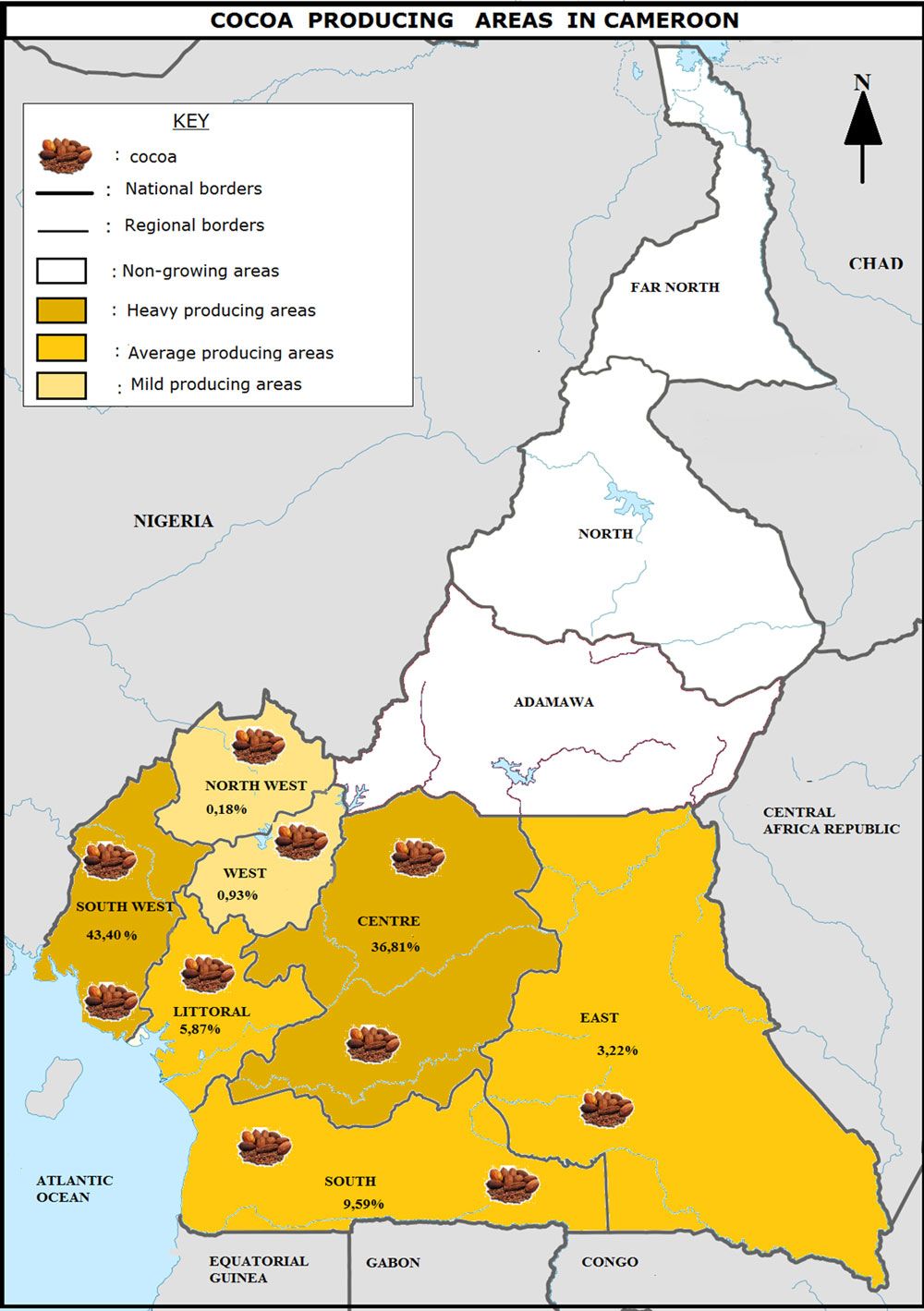
SAMEN INDUSTRY’s project in Baré-Bakem is designed around a grinding line of about 4 tonnes per hour, equivalent to approximately 32,000 tonnes of beans per year. Its target outputs include cocoa butter, powder, liquor and cake. Against the current market background, the main commercial priorities are to qualify sourcing areas, establish derivative-specific product specifications, progressively secure offtake channels and prepare lot-level documentation.
The NCCB highlights initiatives related to sustainable and traceable cocoa, as well as Cameroon’s preparation for the European Union deforestation regulation. The European Commission separately emphasises the availability and quality of information concerning forests and commodity supply chains. For SAMEN INDUSTRY, this supports documentary readiness based on supplier identification, lot segregation, origin records and consistent reconciliation between incoming beans and outgoing derivatives. It does not provide a basis for describing SAMEN INDUSTRY or any lot as EUDR documentary readiness.1,7
Information still requiring confirmation
Commissioning of the Baré-Bakem plant had been announced for before July 2026, but its effective operational status as of 24 September 2026 is not established by the supplied sources. Available volumes by sourcing area, commercial specifications, actual processing yields, offtake agreements and the completeness of traceability files also remain to be verified. These checks are required before communicating that a lot is available or that processing capacity can be mobilised immediately.
Sources
- 1.ONCC Cameroun (opens in a new window)oncc.cm/home
- 2.Business in Cameroon (opens in a new window)businessincameroon.com/agriculture
- 3.environment.ec.europa.eu (opens in a new window)environment.ec.europa.eu/topics/forests/deforestation_en
- 4.news.google.com (opens in a new window)news.google.com/rss/search?q=cocoa+OR+cacao+price+OR+ICCO&hl…
- 5.Valor International
- 6.Reuters
- 7.European Commission
Related news
Cocoa processing: securing beans and derivative outlets
Cameroonian bean prices remain a major input-cost factor. Industrial priorities are bean quality, balanced butter-powder sales and documentary readiness for traceable production lots.
Cocoa processing: securing beans and managing derivative value
Cameroon's bean price environment increases the importance of industrial yield. Butter, powder, liquor and cake must be managed through quality, market outlets and traceability.
Cocoa processing: securing raw material, outlets and traceability
Cameroonian and international signals call for integrated grinding management: bean costs, quality, the butter-powder balance and documentary readiness must be managed together.