
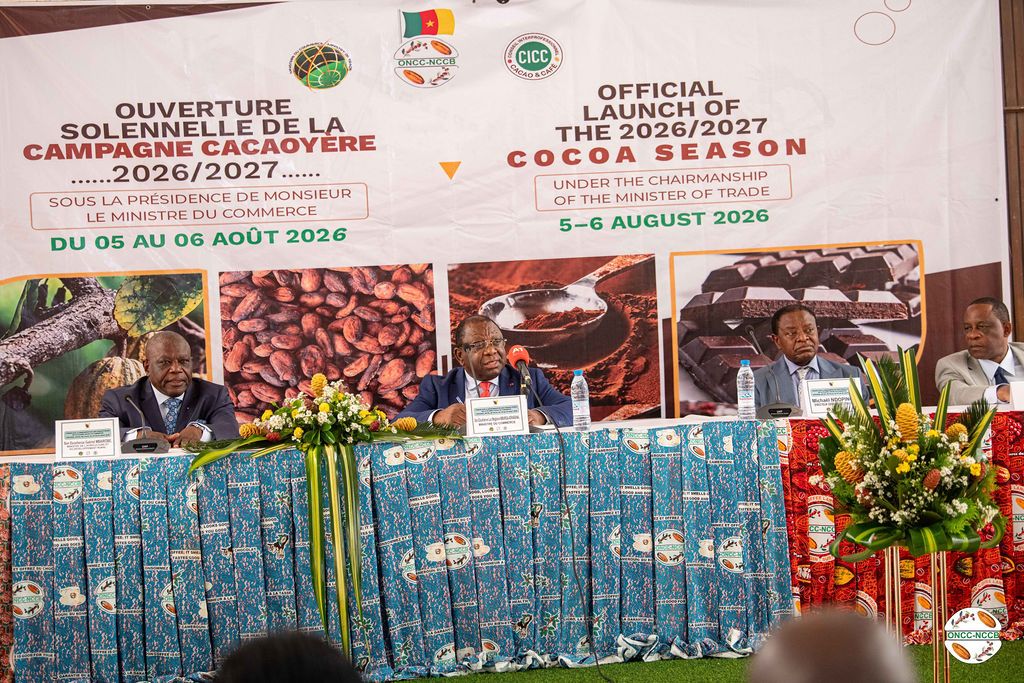
Market overview as of 14 September 2026
For an industrial cocoa processor, the market issue extends well beyond the headline bean price. The core challenge is to procure consistent-quality beans, keep the grinding line supplied and sell cocoa liquor, butter, powder and cake as an integrated output portfolio. Current signals from Cameroon and international markets therefore need to be assessed through four operational lenses: raw-material cost, physical availability, bean quality and documentation readiness.
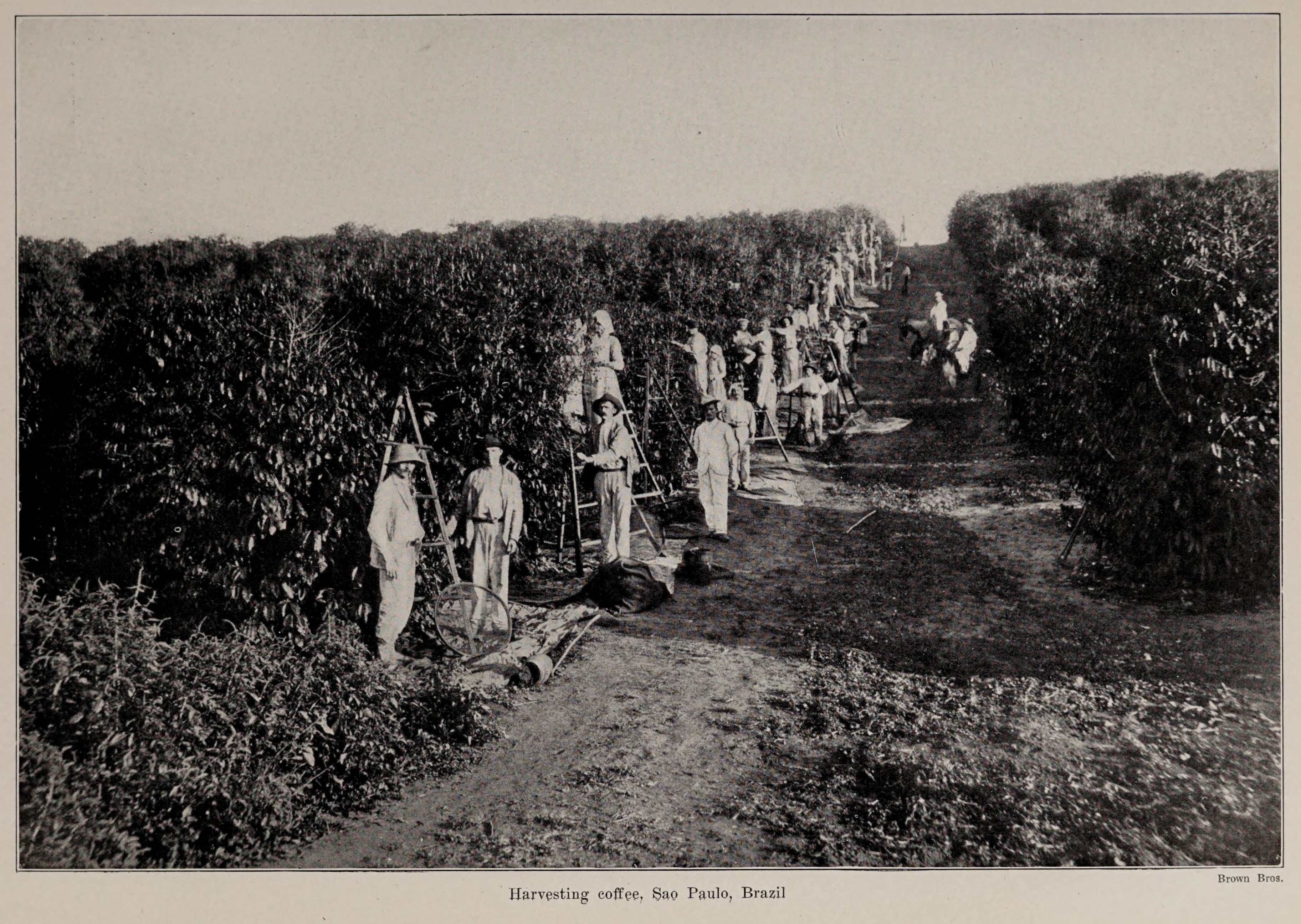
Verified facts
Confirmed factsCameroon's procurement environment remains demanding
The latest cocoa indication displayed by Cameroon's National Cocoa and Coffee Board is dated 4 September 2026. It shows a CIF reference of XAF 3,365 per kilogram, an FOB reference of XAF 3,285 per kilogram and a Douala buying range from exporters of XAF 2,600 to XAF 2,800 per kilogram.1
These figures are neither a quotation for a specific industrial lot nor a guaranteed procurement price as of 14 September. They nevertheless provide relevant context. When beans require more working capital, processors face greater pressure to control yields, losses, inventories and production scheduling. Procurement economics must also be assessed against the combined value of cocoa butter and cocoa solids, with the latter becoming cake and, after further processing, powder.
The ONCC also highlights traceability, sustainable cocoa, the digitalisation of export procedures and discussions on farmer remuneration. For a processor, these themes translate into practical requirements: supplier files, origin information, transaction evidence and lot records need to be incorporated into purchasing and factory-control systems.1
International indicators remain mixed
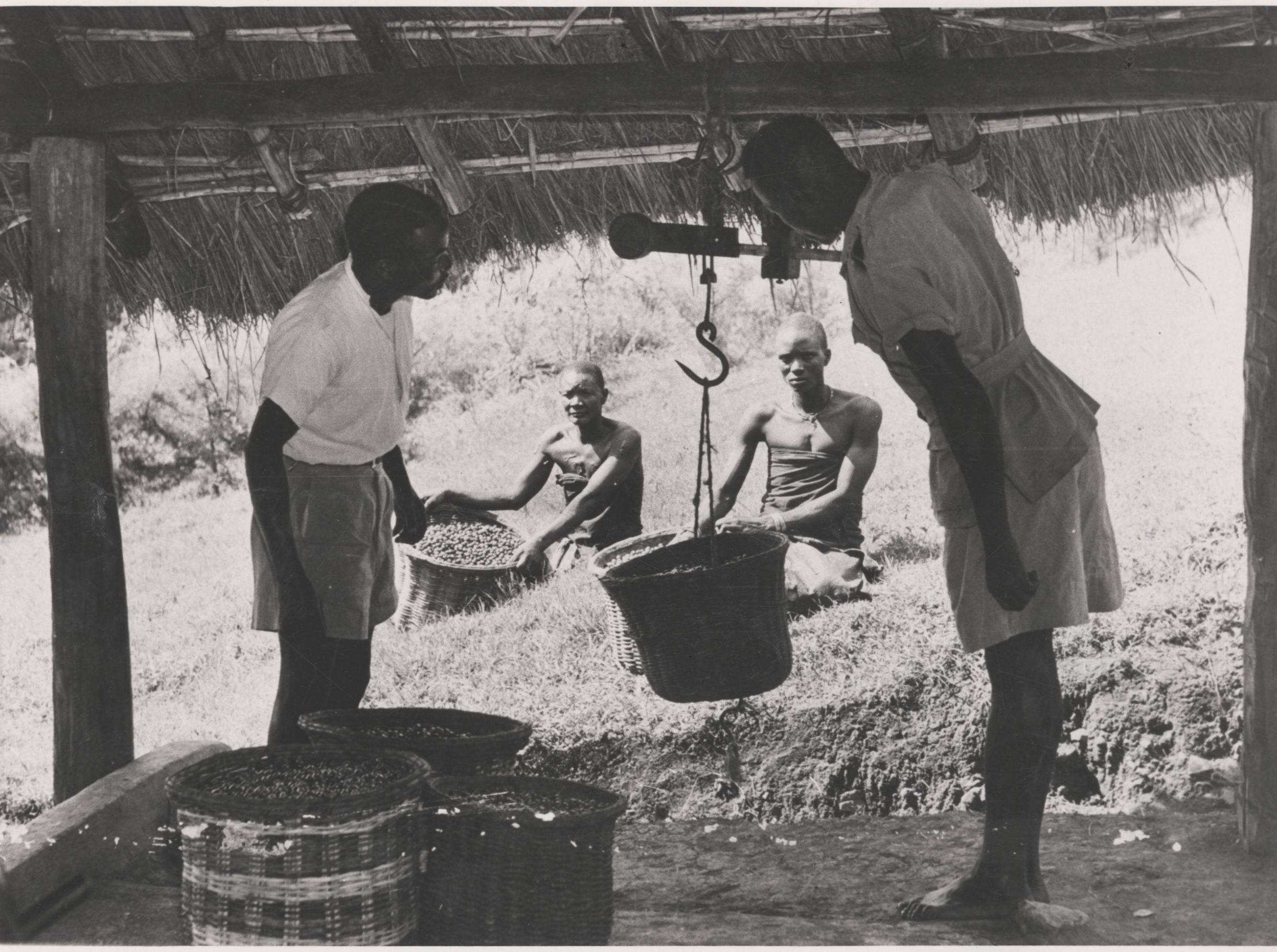
A figure attributed to the ICCO and reported by Comunicaffe states that global cocoa production rose by 8.5% to 4.733 million tonnes in the 2024/2025 season. This may point to improved global supply, but it does not establish that suitable beans are physically available to a Cameroonian processor in September 2026. Origin, fermentation, moisture, bean size, defects and transport conditions continue to determine usable industrial yield.5
Reuters has also flagged the risk that a delayed crop in Côte d’Ivoire could create port congestion ahead of European deforestation-related requirements. For processors, regional crop and logistics disruption can influence competition between bean exports and local grinding. It can also affect delivery schedules, procurement pressure and decisions on how much raw-material inventory to hold.6
On the derivatives side, Valor International reports a decline in Brazilian cocoa grinding amid weaker demand. This should be treated as a demand signal to monitor, not as proof of a uniform global trend. Lower grinding in one market can reduce local supplies of butter, powder and liquor, but it may also indicate softer downstream consumption. Industrial planning should therefore be supported by separate demand forecasts or sales commitments for each derivative.7
Implications for SAMEN INDUSTRY
SAMEN INDUSTRY is developing a grinding line in Baré-Bakem with a capacity of about 4 tonnes per hour, equivalent to approximately 32,000 tonnes of beans per year. Its target products are cocoa butter, powder, liquor or mass, and cake. Under this model, bean procurement cannot be managed separately from product sales. Increasing butter output simultaneously generates cocoa solids that must be sold as cake or processed into powder.
The commercial priority is to qualify buyer requirements product by product: liquor characteristics, butter parameters, powder fineness and treatment, cake format, packaging, delivery schedule and documentation. The procurement priority is to translate these requirements into bean specifications and to maintain lot identification from reception through grinding and derivative production.
The European Commission states that its approach to deforestation-related products includes improving the availability and quality of information on forests and commodity supply chains. For SAMEN INDUSTRY, this supports early documentation preparation: supplier mapping, collection of origin data, internal traceability, reconciliation between received beans and processed outputs, and retention of supporting records. These measures contribute to documentation readiness; they do not justify describing any lot or SAMEN INDUSTRY as EUDR documentary readiness.8
Information still to be confirmed
Confirmed factsThe plant's current operational status requires separate confirmation. Commissioning had been announced for before July 2026, but the usable sources available today do not establish whether industrial start-up, performance testing or commercial production has taken place.
Current bean prices, physically available volumes, quality specifications, premiums or discounts, logistics costs, inventory positions, derivative prices and buyer-specific documentation requirements must also be confirmed directly with counterparties. Aggregated headlines concerning Ghana, Côte d’Ivoire, Brazil and ICCO forecasts should be checked against the original publications before they are used for procurement, sales or contracting decisions.
Sources
- 1.ONCC Cameroon (opens in a new window)oncc.cm/home
- 2.businessincameroon.com (opens in a new window)businessincameroon.com/agriculture
- 3.environment.ec.europa.eu (opens in a new window)environment.ec.europa.eu/topics/forests/deforestation_en
- 4.news.google.com (opens in a new window)news.google.com/rss/search?q=cocoa+OR+cacao+price+OR+ICCO&hl…
- 5.Comunicaffe International
- 6.Reuters
- 7.Valor International
- 8.European Commission
Related news

Cameroon cocoa: securing beans to sustain grinding and derivative output
A reported decline in Cameroonian processing puts bean supply, quality and traceability at the centre of industrial planning for cocoa butter, powder, liquor and cake.
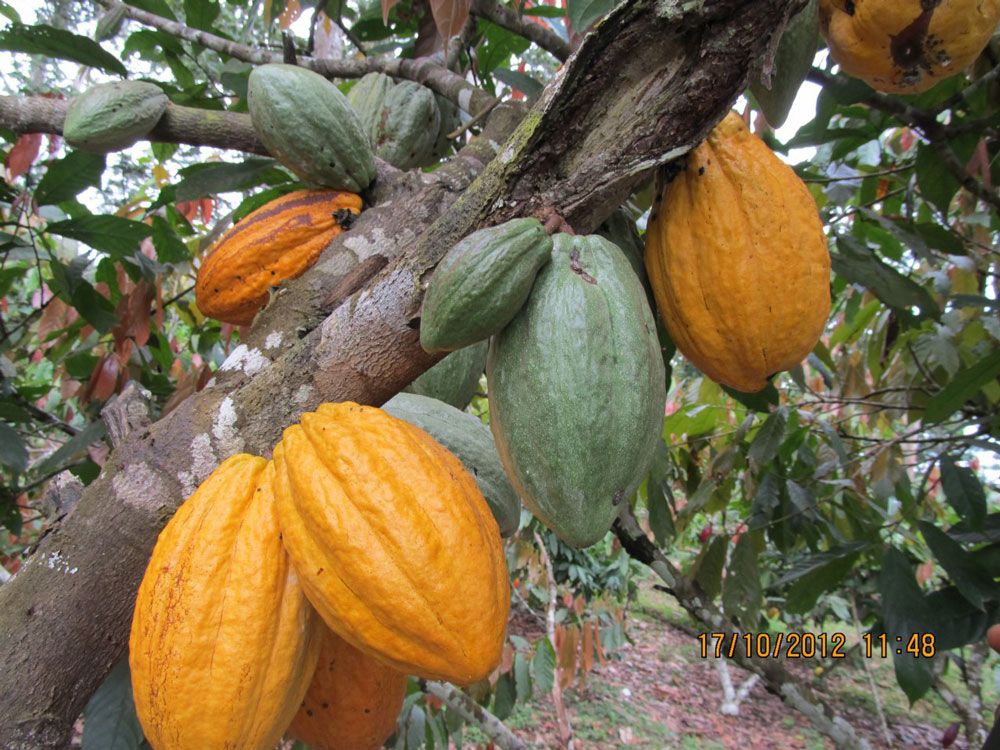
Cocoa processing: securing bean supply and derivative outlets
In Cameroon, bean costs remain critical to grinding economics. International demand signals call for separate commercial strategies for butter, powder, liquor and cake.
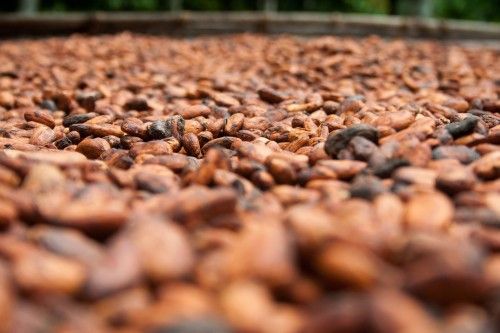
Cameroon cocoa: securing grinding supply and derivative outlets
Bean costs remain high in Cameroon while international signals on grinding and demand are mixed. Industrial priorities are quality, butter-powder balance and supply-chain documentation.