
What processors should retain
The 6 September market watch highlights a central issue: apparent bean availability alone does not secure the performance of a grinding plant. An industrial processor must control the delivered cost of raw material, qualify incoming beans and develop outlets for every product generated by the process.
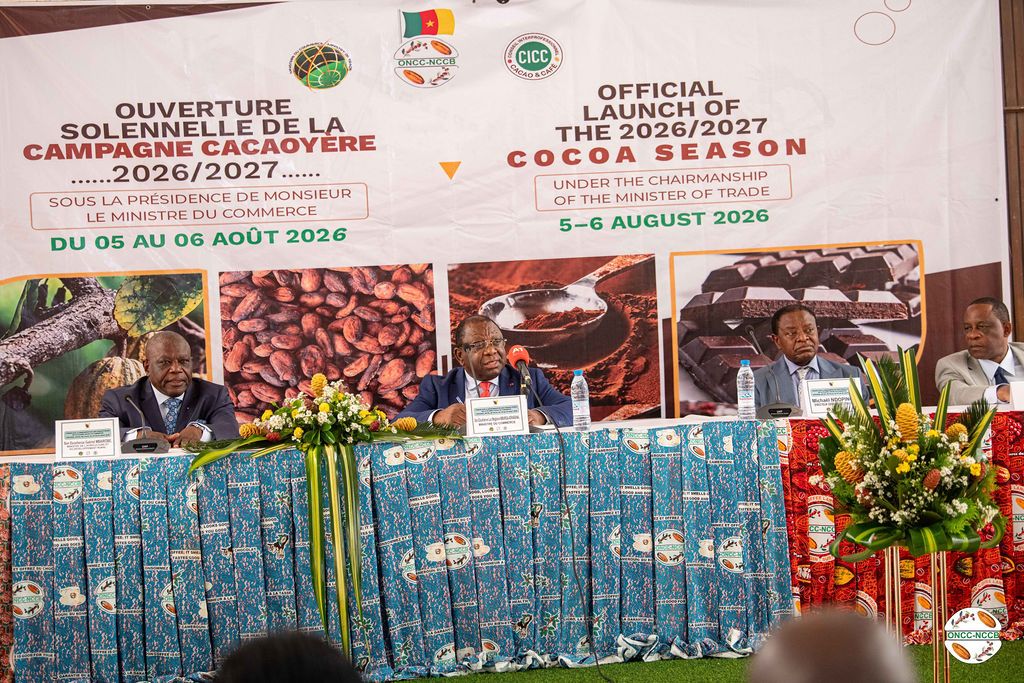
In Cameroon, the National Cocoa and Coffee Board displayed an FOB cocoa price of XAF 3,285/kg on 4 September, with exporter buying prices in Douala ranging from XAF 2,600 to XAF 2,800/kg. These figures are market indicators, not guaranteed procurement prices for an industrial contract. The delivered plant cost also depends on origin, quality, transport, storage and negotiated commercial terms.1
For a grinding line, this signal means that the actual bean cost must be compared regularly with the commercial value of cocoa butter, powder, liquor and cake. A decline in international bean prices does not automatically improve processing margins when inventory was purchased earlier, bean quality affects usable output, or demand for one of the resulting products is slowing.
Turning bean-market signals into a product strategy
Cocoa liquor or mass
Liquor is the first direct commercial output of grinding. Selling it can reduce dependence on the butter-to-powder balance, but buyer specifications must be agreed in advance. Relevant parameters may include flavour profile, fineness, moisture, packaging and consistency between lots. The sources reviewed today provide no evidence of recent commercial commitments covering these parameters, so requirements must be confirmed with each customer.
Cocoa butter
Butter is sought by chocolate, biscuit and other industrial users. However, the available extracts provide neither a verified butter quotation nor confirmed contractual demand. The monitored publications refer to market trends and supplier developments, but their detailed supporting data are not available in the supplied extracts. A processor should therefore secure product specifications, collection schedules and an agreed pricing mechanism before finalising a pressing programme.5

Powder and cake
Cake produced by pressing needs a defined outlet, either in cake form or after milling into powder. Powder value depends on its technical characteristics and suitability for customer formulations. A monitored headline reports a decline in Brazilian cocoa grinding amid weaker demand, but this is an aggregated news signal and should be checked against the original publication before it informs a decision. Even so, it reinforces a practical point: powder should not be treated as a secondary output that will automatically find a buyer.6
Another headline reports Ghanaian offtake agreements for semi-finished cocoa products with buyers in the United Arab Emirates and Saudi Arabia. Volumes, specifications and commercial conditions are absent from the extract and remain unconfirmed. For a Cameroon-based processor, the relevant signal is commercial rather than quantitative: regional and international markets should be prospected separately for liquor, butter, cake and powder instead of receiving a generic processed-cocoa offer.7
Implications for SAMEN INDUSTRY
Verified company information describes a plant in Baré-Bakem with an announced grinding line of about 4 tonnes per hour and target products including cocoa butter, powder, liquor and cake. Announced annual input capacity is about 32,000 tonnes of beans. Commissioning had been announced for before July 2026, but the plant's actual operating status as of 6 September is not established by today's usable sources and must be confirmed.
Within this industrial configuration, four workstreams are priorities:
- structure procurement by origin, quality and delivery period;
- define technical data sheets and release procedures for each derivative;
- align butter contracts with secured powder or cake outlets;
- monitor processing margins from the delivered plant cost rather than the displayed bean price alone.
International headlines currently point both to sufficient short-term supplies and to weaker demand signals. As these indications come from aggregated headlines, they require confirmation from the original publications before commercial use. They nevertheless support cautious inventory management and disciplined sales commitments.5
Documentation readiness for European markets
The European Commission states that its framework for products associated with deforestation seeks, among other objectives, to improve the availability and quality of information on forests and commodity supply chains. The NCCB also reports that Cameroon is working on its preparation for the EU deforestation regulation.8,1
This does not establish that any lot or SAMEN INDUSTRY is EUDR documentary readiness. For a processor, documentation readiness should preserve the connection between suppliers, incoming bean lots, storage records, production orders and the resulting liquor, butter, cake or powder lots. The actual availability and quality of geolocation data, due-diligence procedures and contractual responsibilities must be confirmed before any statement is made to a European buyer.
Items requiring confirmation
The next review should establish the plant's operating status, derivative specifications, observed processing yields, bean availability by quality, contracted outlets and the effective level of documentation readiness. No derivative price, pressing yield, certification or customer contract is established by the usable sources in this edition.
Gallery
Sources
- 1.ONCC Cameroon (opens in a new window)oncc.cm/home
- 2.businessincameroon.com (opens in a new window)businessincameroon.com/agriculture
- 3.environment.ec.europa.eu (opens in a new window)environment.ec.europa.eu/topics/forests/deforestation_en
- 4.news.google.com (opens in a new window)news.google.com/rss/search?q=cocoa+OR+cacao+price+OR+ICCO&hl…
- 5.Google News cocoa
- 6.Valor International via Google News
- 7.Farmers Review Africa via Google News
- 8.European Commission
Related news
Cameroon cocoa: securing grinding supply and derivative outlets
Bean costs remain high in Cameroon while international signals on grinding and demand are mixed. Industrial priorities are quality, butter-powder balance and supply-chain documentation.

Cocoa processing: balancing bean costs, derivative outlets and traceability
Cameroonian bean indications remain high while international headlines point to softer grinding demand in some markets. Processors must align procurement, quality, butter-powder outlets and documentary readiness.

Cameroon cocoa: securing processing amid bean costs and documentation requirements
Published Douala indicators reinforce the importance of raw-material control. Grinders should prioritise quality, traceability and outlets for cocoa butter, powder, liquor and cake.