
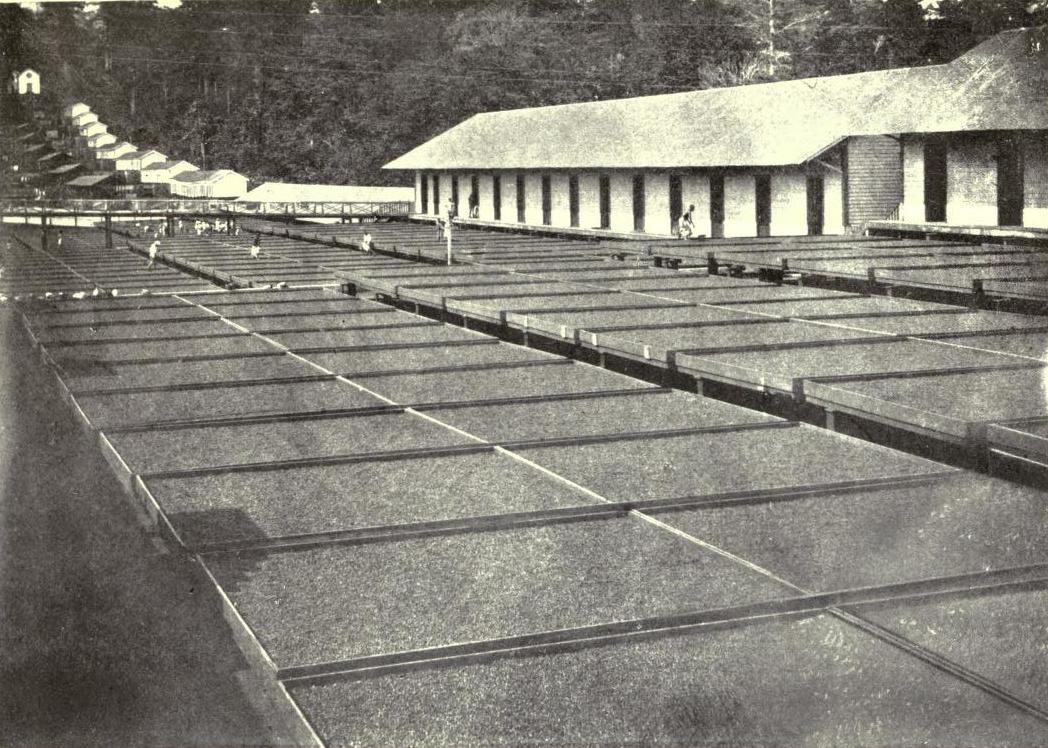
Market signal: bean costs remain central to Cameroonian processing
On 18 August 2026, Cameroon’s National Cocoa and Coffee Board displayed an FOB cocoa price of XAF 3,214/kg and a Douala buying range of XAF 2,650–2,700/kg from exporters. These figures predate this market watch by two days and should not be treated as real-time quotations or commercial offers.1
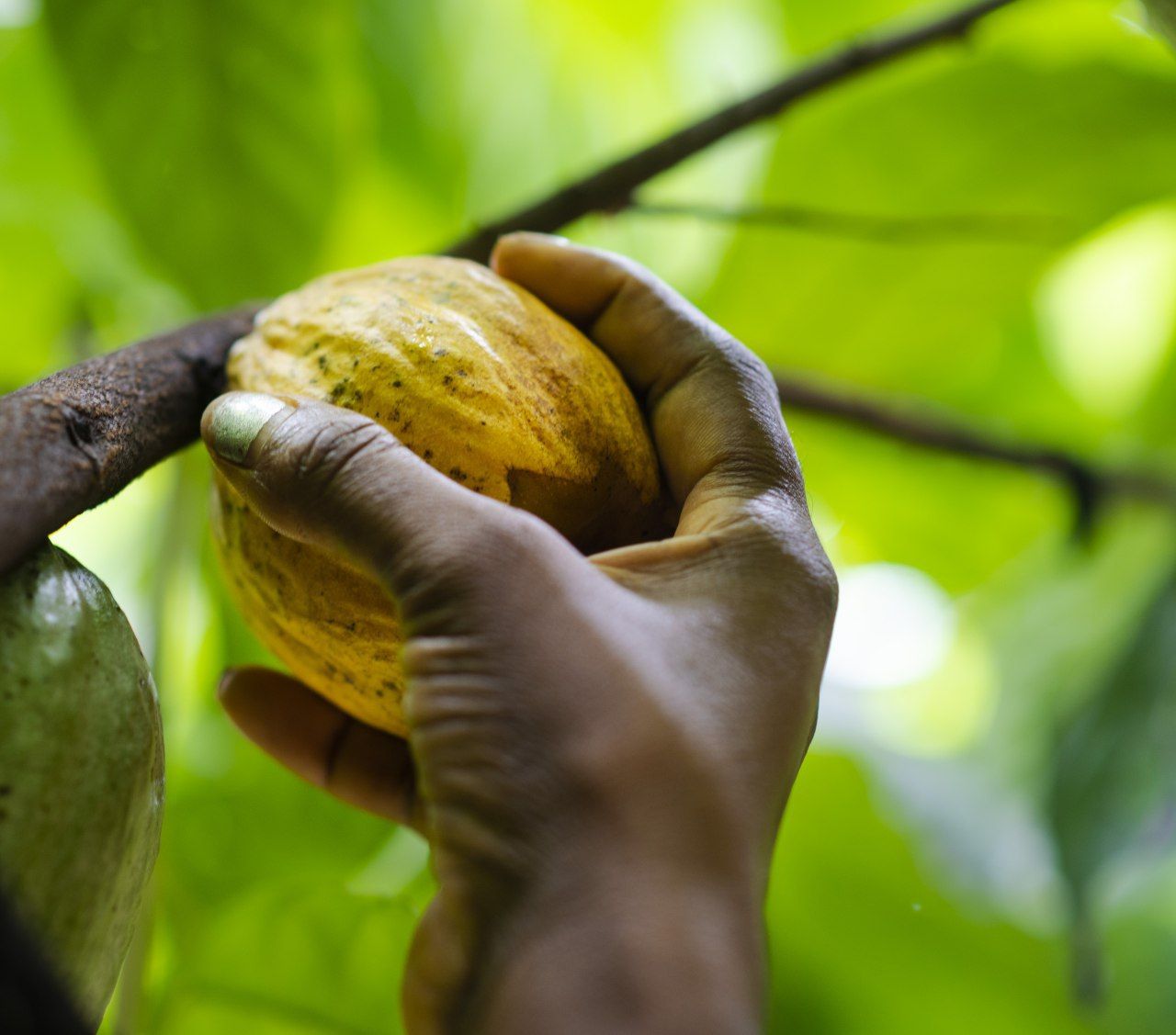
For an industrial grinder, the relevant issue extends beyond the headline bean price. The processor must compare the delivered cost of beans with the realizable value of cocoa butter, powder, liquor and cake. Collection, transport, storage, quality control, inventory financing and losses caused by out-of-specification beans also influence processing margins.
International reporting continues to highlight cocoa volatility and the measures used by chocolate manufacturers to manage price exposure. Such volatility can affect both the working capital required to purchase beans and the processor’s ability to quote derivative prices over a commercially useful period.5
Grinding economics depend on the butter-powder balance
Cocoa processing does not generate a single independent product. Liquor produced after roasting, breaking and grinding may be sold directly or pressed to separate cocoa butter from cocoa cake. The cake can then be milled into powder according to customer specifications.
This technical relationship requires a coordinated sales strategy. A butter order does not by itself secure grinding economics if outlets for the corresponding cake or powder are unavailable. Likewise, powder demand must be matched with a commercial route for the co-produced butter. Bean procurement decisions should therefore be supported by contracts, forecasts or customer enquiries covering several derivatives.
An international report points to lower cocoa grinding in Brazil amid weaker demand. The available extract does not quantify the decline and cannot be directly extrapolated to Cameroon. It nevertheless illustrates that installed capacity alone does not guarantee profitable utilization. A Cameroonian processor needs to qualify demand by product, destination, packaging, physicochemical specification and delivery schedule.6
Bean quality determines yield and product consistency

Procurement prices must be considered together with technological quality. Moisture, fermentation, impurities, defects, lot uniformity and storage conditions can affect yield, liquor consistency and the characteristics of butter and powder. Cameroon’s NCCB also identifies cocoa quality as a key sector topic for the season.1
For processing operations, this supports the use of incoming-bean specifications, sampling plans, acceptance criteria and physical segregation of lots. Supplier agreements should define the required records and establish procedures for beans that do not meet the buyer’s industrial specifications.
Quality management also has a commercial dimension. Buyers of butter, powder, liquor or cake normally require repeatability between deliveries. The processor must therefore connect bean intake controls with production records and finished-product testing rather than relying only on the declared origin or visual appearance of the beans.
Traceability: building documentary readiness through processing
The European Commission states that its policy objectives include reducing the land footprint of European consumption and improving the availability and quality of information on commodity supply chains. Reuters has also reported difficulties across the West African cocoa sector in addressing European anti-deforestation rules, with potential implications for supply.7,8
These signals do not establish that any Cameroonian lot or SAMEN INDUSTRY is EUDR documentary readiness. They do, however, support early documentary preparation by processors. Relevant workstreams include supplier identification, linking bean deliveries to origin areas or plots, retaining collection information, segregating flows and maintaining reference continuity from beans to liquor, butter, cake and powder.
Business in Cameroon has also reported the opening of an EU-backed support window for small and medium-sized businesses in several value chains, including cocoa. Eligibility rules, deadlines, beneficiaries and the type of support available to processors must be checked directly with the programme concerned.2
Implications for SAMEN INDUSTRY
Verified information describes SAMEN INDUSTRY’s plant as under construction in Baré-Bakem, with a grinding line designed for about 4 tonnes per hour, equivalent to about 32,000 tonnes of beans annually. Target products include cocoa butter, powder, liquor or mass, and cake. Commissioning had been announced before July 2026, but the sources supplied do not establish the plant’s actual operating status as of 20 August 2026. That status therefore remains to be confirmed.
Against this background, four industrial and commercial priorities stand out: securing bean volumes that meet processing specifications; establishing the delivered raw-material cost for each lot; developing outlets for butter, powder, liquor and cake as an integrated product portfolio; and testing documentary continuity through to each derivative. This approach provides stronger margin protection than monitoring bean quotations in isolation.
Information requiring confirmation
The following points require primary documents or direct commercial verification: the plant’s current operating status, the bean volumes actually available, final derivative specifications, industrial yields, packaging formats, destination markets, offtake contracts and the documentary readiness of each supply channel.
Gallery
Sources
- 1.ONCC Cameroun (opens in a new window)oncc.cm/home
- 2.Business in Cameroon (opens in a new window)businessincameroon.com/agriculture
- 3.environment.ec.europa.eu (opens in a new window)environment.ec.europa.eu/topics/forests/deforestation_en
- 4.news.google.com (opens in a new window)news.google.com/rss/search?q=cocoa+OR+cacao+price+OR+ICCO&hl…
- 5.Food Dive
- 6.Valor International
- 7.European Commission
- 8.Reuters
Related news
Cocoa processing: bean availability returns to the centre of grinder strategy
Cameroon’s published bean levels keep raw-material costs under pressure. Internationally, harvest delays and recovering grindings call for tighter procurement, inventory and cocoa-derivative planning.
Cocoa processing: bean costs, quality and traceability shape grinding decisions
Cameroon’s current signal is a costly bean. Processors must therefore secure supply, control derivative yields and analytical quality, and build traceable documentation from beans to finished cocoa ingredients.
Cocoa processing: managing grinding amid high bean costs and traceability demands
Cameroon’s bean-price environment calls for close control of butter, powder, liquor and cake yields. International signals also highlight demand, quality and traceability issues that processors should verify.