

Market watch as of 31 August 2026
The cocoa market should be assessed through processing economics rather than bean prices alone. In Cameroon, the latest available indications from the National Cocoa and Coffee Board are dated 28 August: XAF 3,470/kg CIF, XAF 3,388/kg FOB and a Douala buying range of XAF 2,650–2,800/kg. These figures are neither contractual quotations from SAMEN INDUSTRY nor prices applicable to every lot. They nevertheless indicate a demanding raw-material environment for industrial operators converting beans into liquor, butter, powder and cake.1

Verified facts and international signals
Confirmed factsInternational news feeds currently present mixed signals. One headline reports a decline in Brazilian cocoa grinding amid weaker demand, while another refers to Ghanaian offtake agreements for semi-finished cocoa products destined for the United Arab Emirates and Saudi Arabia. Together, these headlines point to two issues worth monitoring: cautious processing activity in some markets and African suppliers’ efforts to secure direct outlets for value-added products. The available extracts do not, however, verify the reported volumes, specifications, prices or contractual terms.5
Other headlines suggest that global bean prices have eased while chocolate manufacturers continue to defend themselves against price volatility. For a processor, a lower bean price does not automatically generate an immediate margin improvement. Profitability also depends on the realizable value of butter, powder, liquor and cake, the cost of previously purchased inventory, energy and logistics expenses, and each customer’s quality requirements.6
What the signals mean for bean processing
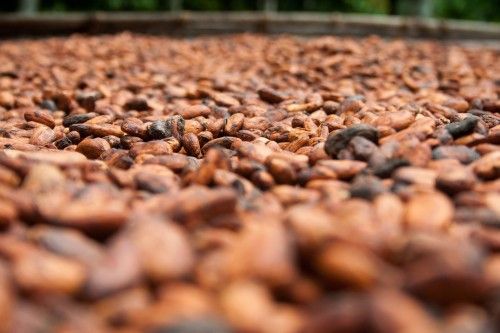
Raw-material cost. The ONCC range must be considered alongside actual collection, inland transport, financing and quality-control conditions. Industrial procurement should avoid securing beans without adequate visibility over the orders and derivative outlets needed to absorb the resulting production.
Butter-powder balance. Pressing cocoa liquor produces butter and cake jointly, with cake subsequently used to manufacture powder. Processing economics therefore cannot be assessed for each product in isolation. Firm butter demand combined with an insufficient outlet for powder or cake can create inventory pressure and increase working-capital requirements.
Quality and industrial performance. Moisture, fermentation, defects, foreign matter and lot consistency affect liquor uniformity, pressing operations and the ability to meet commercial specifications. Before contracting, industrial buyers should define analytical parameters, packaging, sampling methods and documentary requirements for each product.
Documentary readiness. The European Commission highlights the importance of the availability and quality of information relating to forests and commodity supply chains. For processors targeting European customers, this increases the value of traceability connecting procurement, bean reception, storage, production batches and dispatch records. This is documentary readiness work; neither a lot nor SAMEN INDUSTRY should be described as “EUDR documentary readiness” without the appropriate assessment and supporting evidence.7

SAMEN INDUSTRY’s processing position
The Baré-Bakem project targets cocoa butter, powder, liquor or mass, and cake. Verified company information describes a planned grinding line of about 4 tonnes per hour, equivalent to approximately 32,000 tonnes of beans per year. In the present market environment, the commercial priority is to align procurement progressively with customer specifications and purchasing schedules rather than focusing solely on nominal processing capacity.
Commissioning had been announced for before July 2026. None of the usable sources supplied for this watch confirms that operations had effectively started by 31 August. The operational status, first production, available specifications and delivery schedules must therefore be confirmed directly with SAMEN INDUSTRY.
Items to confirm with buyers and partners
Information to confirm- Separate requirements for cocoa butter, natural or processed powder, liquor and cake.
- Analytical, microbiological and packaging parameters applicable to each order.
- Bean origin, lot segregation and requested traceability records.
- Incoterms, delivery schedules, volumes and adjustment mechanisms, without treating ONCC indications as contractual prices.
- The documentary-readiness level required for European markets and the allocation of due-diligence responsibilities across the supply chain.
A historical agriculture page from Business in Cameroon lists cocoa processing among the country’s industrial topics, but its dated entries do not establish current capacity, demand or operational status. Current decisions should therefore rely on direct technical and commercial verification.2
Gallery
Sources
- 1.ONCC Cameroun (opens in a new window)oncc.cm/home
- 2.Business in Cameroon (opens in a new window)businessincameroon.com/agriculture
- 3.environment.ec.europa.eu (opens in a new window)environment.ec.europa.eu/topics/forests/deforestation_en
- 4.news.google.com (opens in a new window)news.google.com/rss/search?q=cocoa+OR+cacao+price+OR+ICCO&hl…
- 5.Google News cocoa derivatives
- 6.Google News cacao
- 7.European Commission
Related news
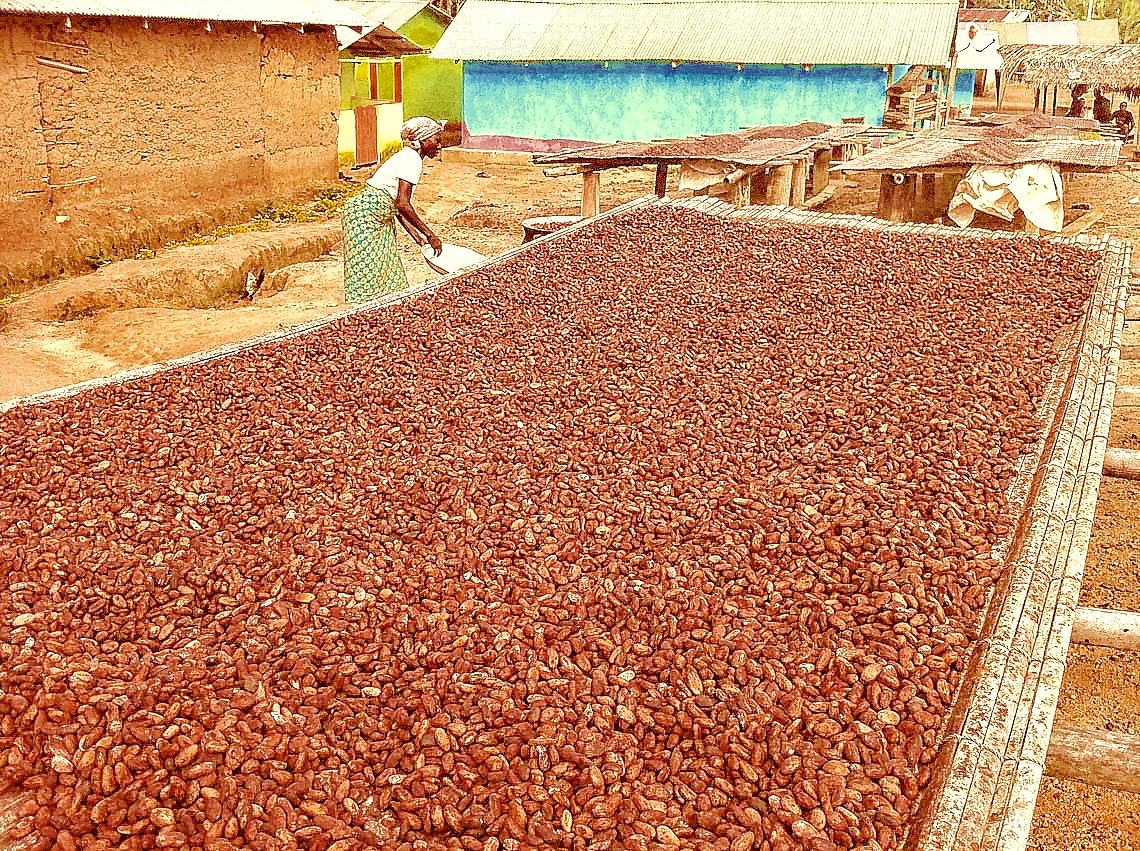
Cocoa processing: bean availability returns to the centre of grinder strategy
Cameroon’s published bean levels keep raw-material costs under pressure. Internationally, harvest delays and recovering grindings call for tighter procurement, inventory and cocoa-derivative planning.
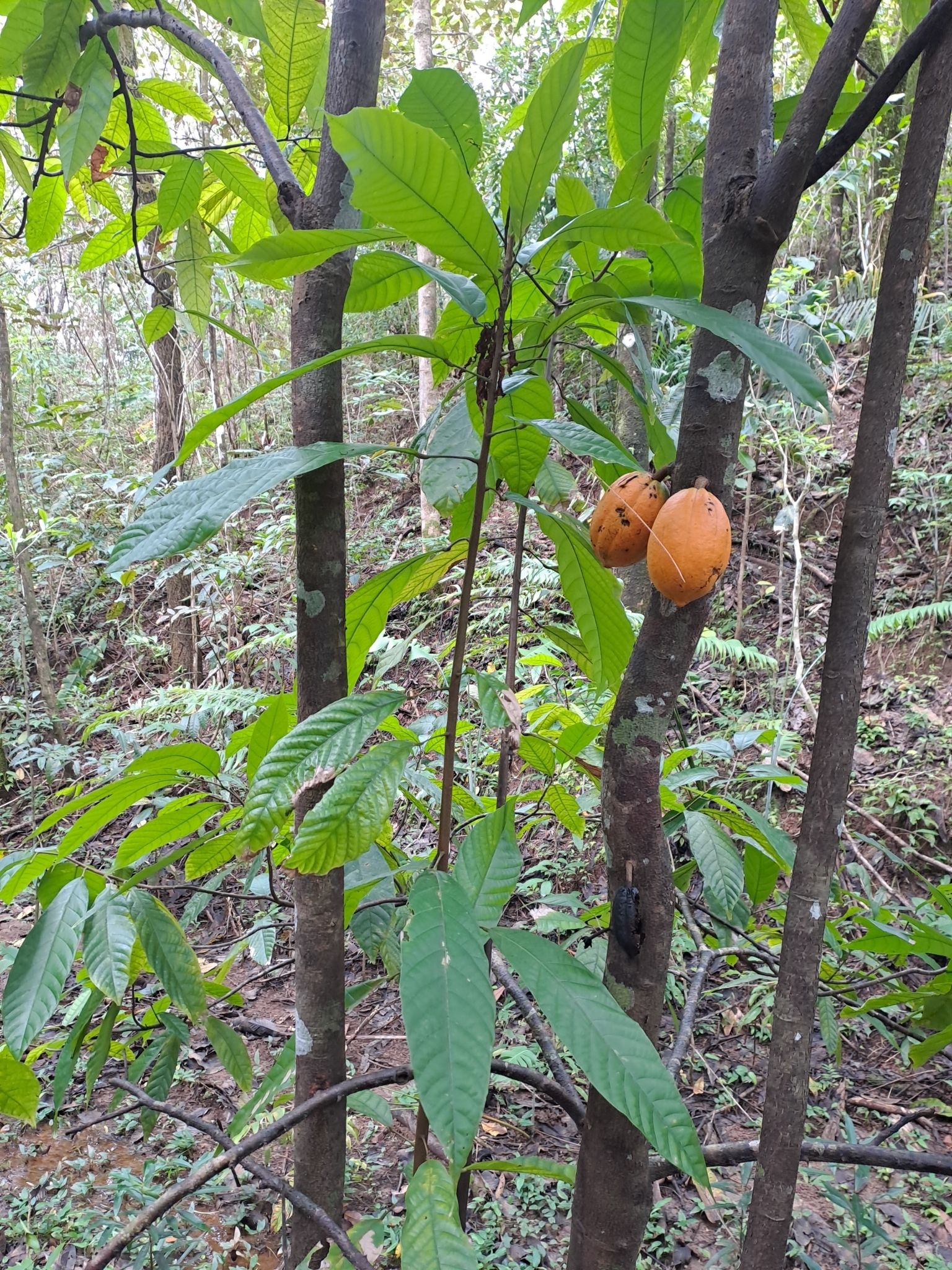
Cocoa processing: bean costs, quality and traceability shape grinding decisions
Cameroon’s current signal is a costly bean. Processors must therefore secure supply, control derivative yields and analytical quality, and build traceable documentation from beans to finished cocoa ingredients.
Cocoa processing: managing grinding amid high bean costs and traceability demands
Cameroon’s bean-price environment calls for close control of butter, powder, liquor and cake yields. International signals also highlight demand, quality and traceability issues that processors should verify.