

Market summary as of 6 August 2026
For an industrial processor, the main signal is not simply the bean price. It is the ability to convert suitable raw material consistently into cocoa liquor, butter, cake and powder that meet buyers’ specifications. Today’s monitoring highlights three connected issues: the cost of beans in Cameroon, mixed international signals concerning grindings and supply, and stronger documentary expectations across cocoa supply chains.
Verified facts
Confirmed factsBean costs must be connected to processing economics
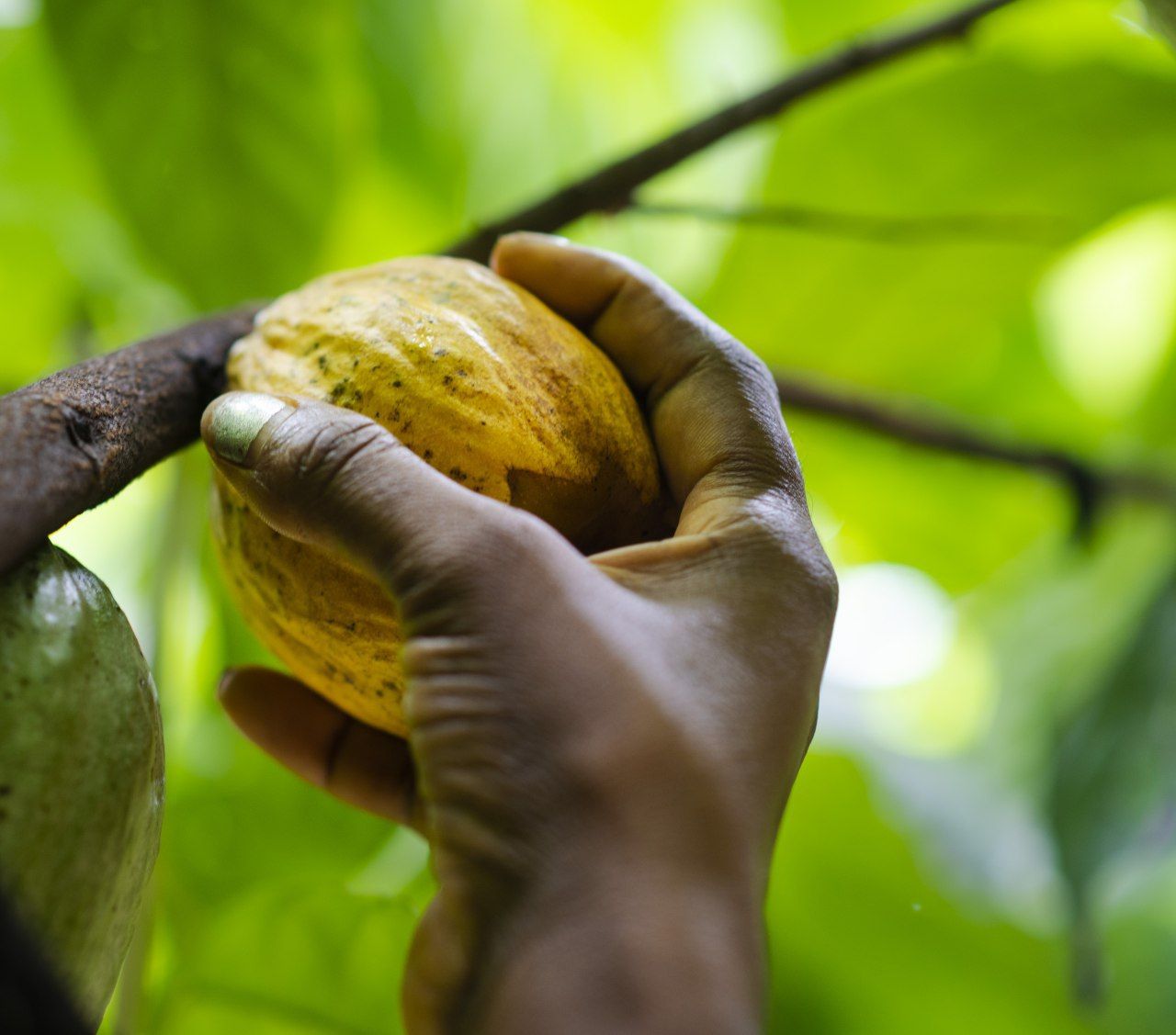
For 5 August 2026, Cameroon’s National Cocoa and Coffee Board displayed indicative cocoa references of XAF 3,496/kg CIF and XAF 3,414/kg FOB. The buying range in Douala reported for exporters was XAF 2,800–2,900/kg.1
These figures are not a guaranteed procurement price for a processing plant. They nevertheless provide an immediate benchmark for the raw-material cost affecting working-capital requirements, inventory value and the choice of product mix between liquor, butter, powder and cake. Industrial planning should therefore connect actual bean purchasing terms with cleaning and sorting losses, physical yields and the specifications agreed with each customer.
The ONCC also states that its review of Cameroon’s 2025/2026 cocoa season was marked by declining production and exports. Its portal highlights price volatility, marketing systems, cocoa quality and preparations for a more traceable season. For a grinder, tighter availability may affect line utilisation and increase the importance of phased volume contracting and disciplined intake planning.1

International signals must be assessed by derivative market
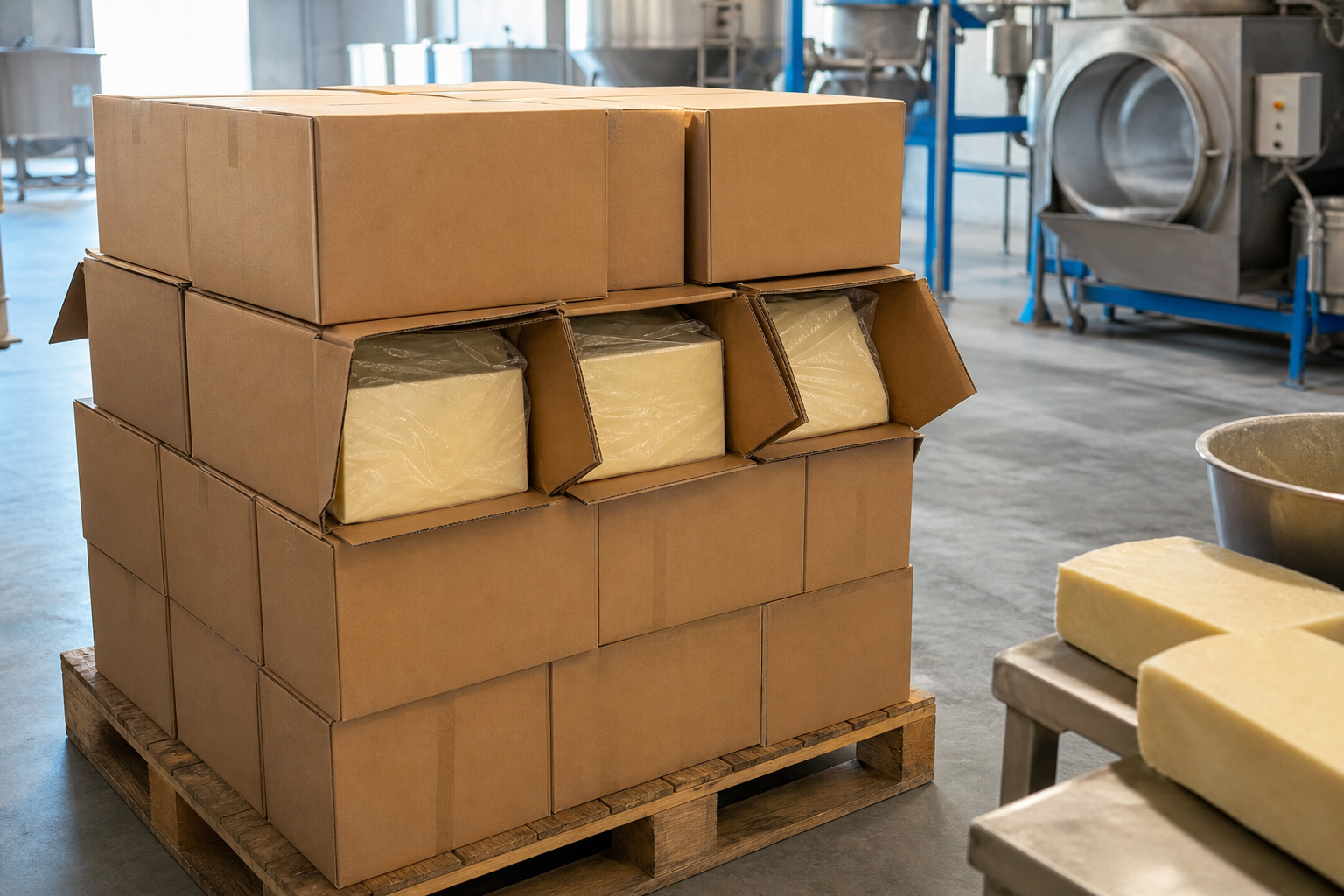
A Valor International headline reports a decline in Brazilian cocoa grinding amid weakening demand. However, the available extract provides no comparable period, volumes or breakdown between butter, powder and liquor. The headline alone cannot establish a global demand contraction. It instead supports monitoring butter and powder orders separately. A press operation generates both fat and solid fractions, and the commercial balance between them determines how effectively the full bean can be monetised.5
Other international headlines report a recovery in Barry Callebaut volumes while analysts question cocoa price assumptions. ICCO-related coverage also refers to updated global estimates for production, grindings and stocks, but the supplied extracts do not contain the complete figures. These mixed signals argue against basing procurement or sales strategy on a single forecast for bean prices.6,7
Implications for SAMEN INDUSTRY
Verified company information concerns a plant under construction at Baré-Bakem with a grinding line of about 4 tonnes per hour and announced annual capacity of about 32,000 tonnes of beans. Target products include cocoa liquor, butter, powder and cake. Commissioning had been announced before July 2026, but the plant’s effective operating status as of 6 August still requires confirmation.
Four priorities follow for commercial preparation. First, incoming beans should be qualified by origin and relevant quality parameters. Second, each intake lot should be connected to the resulting liquor, butter, cake and powder batches. Third, complementary outlets are needed for both the fat and solid fractions. Fourth, processing margins should be stress-tested under different raw-material cost and line-utilisation scenarios rather than inferred from bean quotations alone.
Documentary readiness
The European Commission states that its approach to products associated with deforestation includes supporting the availability and quality of information on forests and commodity supply chains. For SAMEN INDUSTRY, the practical issue is documentary readiness: supplier identification, bean origin records, lot segregation or controlled lot management, processing records and the transmission of information requested by buyers. This does not support any claim that the company or a specific lot is EUDR documentary readiness.8
Information still to be confirmed
Confirmed factsThe effective industrial start-up of the Baré-Bakem facility, available bean volumes by sourcing area, analytical bean parameters, actual pressing yields, derivative product specifications and the completeness of upstream documentation must all be confirmed before any firm commercial offer. Trends appearing in Google News feeds should likewise be checked against the full underlying articles before they inform procurement, production or sales decisions.
Gallery
Sources
- 1.ONCC Cameroon (opens in a new window)oncc.cm/home
- 2.businessincameroon.com (opens in a new window)businessincameroon.com/agriculture
- 3.environment.ec.europa.eu (opens in a new window)environment.ec.europa.eu/topics/forests/deforestation_en
- 4.news.google.com (opens in a new window)news.google.com/rss/search?q=cocoa+OR+cacao+price+OR+ICCO&hl…
- 5.Valor International
- 6.Reuters
- 7.Comunicaffe International
- 8.European Commission
Related news

In Nkongsamba, SAMEN INDUSTRY Connects Cocoa Collection with Local Processing
A recent working visit highlights the planned connection between storage, bean collection and processing at Baré-Bakem. The industrial timetable and financing arrangements still require confirmation.
SAMEN INDUSTRY: corporate update on the Baré-Bakem cocoa processing plant
Capacity, target products, investment and timeline: a review of verified facts about the Baré-Bakem industrial project and the operational information that still requires confirmation.
Baré-Bakem: Structuring Industrial Dialogue Around Local Cocoa Processing
The SAMEN INDUSTRY project places Moungo within Cameroon’s local cocoa-processing drive. Partners now need a clear distinction between documented facts and operational milestones still awaiting confirmation.