An industrial project rooted in Moungo
SAMEN INDUSTRY is developing a cocoa-processing plant in Baré-Bakem, in Cameroon’s Moungo department. Cameroonian press coverage has presented the initiative as a new grinding facility serving the wider Nkongsamba and Moungo production area. Another publication has also reported plans for a cocoa-processing unit at Baré-Bakem.2,3
The project is promoted by Patrice Samen, promoter of SAMEN INDUSTRY S.A. and mayor of Nkongsamba 2nd. The site covers 3 hectares, with approximately 1.4 hectare allocated to the main building. Its grinding line is designed for about 4 tonnes per hour, equivalent to approximately 32,000 tonnes of cocoa beans per year.
Estimated investment stands between XAF 20 billion and XAF 30 billion, while 300 to 500 direct jobs are expected. These figures describe the announced project configuration. They should not be treated as evidence that production levels or employment targets have already been achieved.
Processing cocoa closer to its production base
Locating the plant in Baré-Bakem is intended to bring industrial capacity closer to agricultural areas in Moungo. For growers, suppliers, buyers and technical partners, such proximity may support more structured links between bean procurement, incoming-material controls, processing and the marketing of higher-value cocoa products.
SAMEN INDUSTRY’s target portfolio includes cocoa butter, powder, liquor or mass, and cake. The project therefore focuses on processing raw material locally rather than relying solely on bean shipments. It is also presented within the framework of Cameroon’s SND30 and import-substitution policy.
Cameroonian cocoa, alongside other agricultural products, remains part of the country’s international trade-promotion efforts. For an industrial operator based in Moungo, however, market visibility must be supported by documented capacity, consistent quality and verifiable commercial arrangements.4
Verified milestones and information still to be updated
Confirmed factsThe plant’s foundation stone was laid on 27 February 2026 in the presence of Trade Minister Luc Magloire Mbarga Atangana and Agriculture Minister Gabriel Mbairobe. The initial schedule announced commissioning before July 2026. As of this publication, none of the usable sources provided confirms that industrial commissioning actually occurred. They also do not establish the current status of construction, technical testing or production.
Buyers and industrial partners should consequently distinguish the verified design characteristics from the facility’s present operating status. Before entering into a commercial commitment, they should seek confirmation of line availability, operational start-up, product specifications, immediately accessible volumes, quality protocols and logistics arrangements.
Documentary readiness for industrial relationships
Documentary preparation should progress alongside plant development, particularly for relationships with international buyers. Relevant work may include supplier identification, documentation of bean origin, lot-level records, segregation of physical flows, quality controls and retention of supporting evidence required for customer checks.
Where destination markets require it, these measures can contribute to traceability preparation and EUDR-related documentary readiness. They do not mean that a particular lot, supplier or SAMEN INDUSTRY is EUDR documentary readiness. Any assessment must be based on plot information, supply-chain records and checks conducted for the specific lots concerned.
For the Nkongsamba–Moungo area, the project’s institutional relevance lies in its intended connection between agricultural production, local processing, industrial employment and access to demanding markets. The next useful step for prospective partners will be the release of updated, verifiable information on the plant’s status and its effectively available capabilities.
Sources
- 1.news.google.com (opens in a new window)news.google.com/rss/search?q=%22Patrice+Samen%22&hl=fr&gl=FR…
- 2.EcoMatin
- 3.Alwihda Info
- 4.Investir au Cameroun
Related news
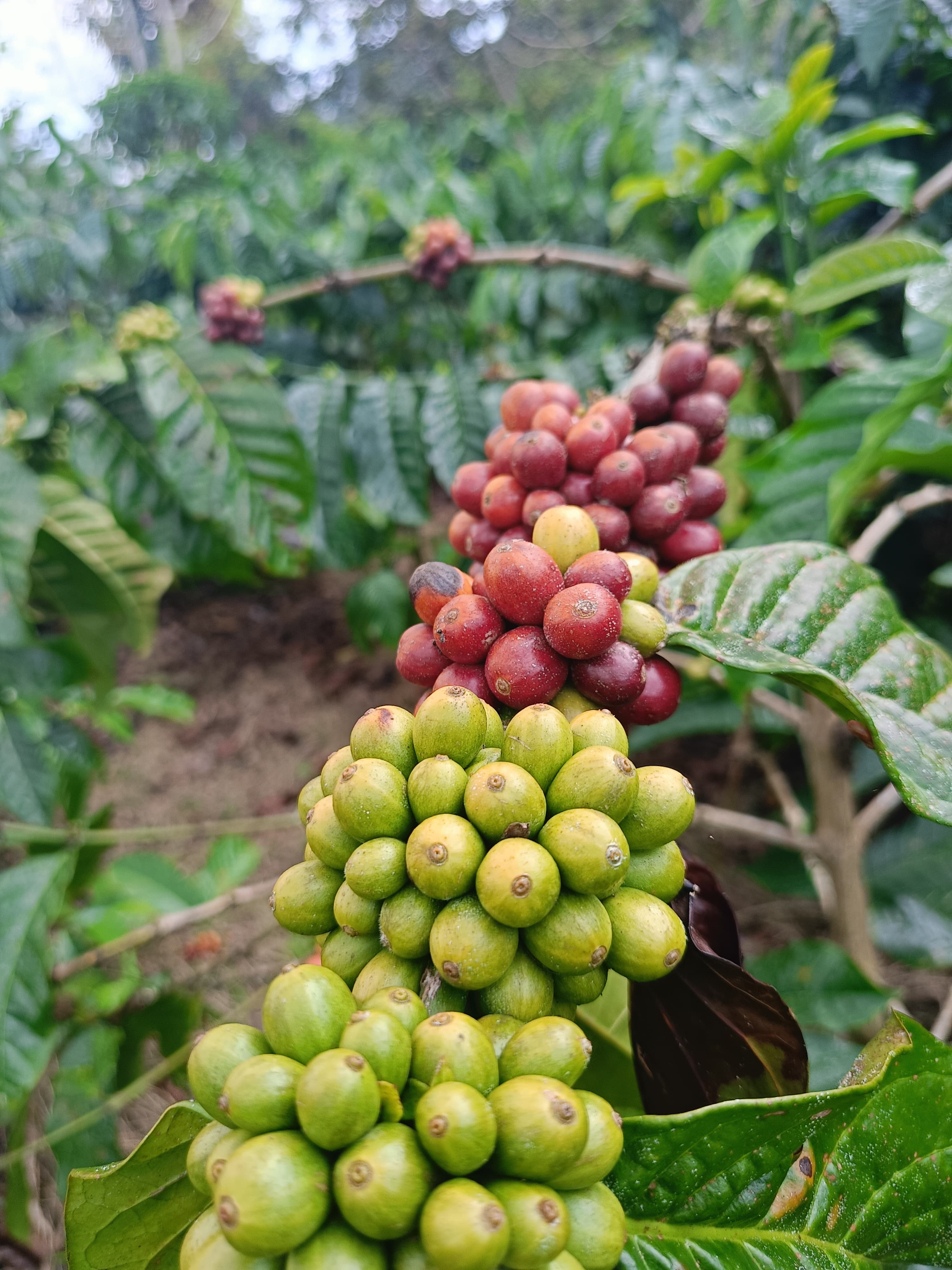
Baré-Bakem: Building a Local Cocoa Processing Hub in Moungo
Patrice Samen’s industrial project places Baré-Bakem within a local cocoa-processing strategy. For buyers and partners, the immediate priorities are confirmation of operational status and documentary readiness.
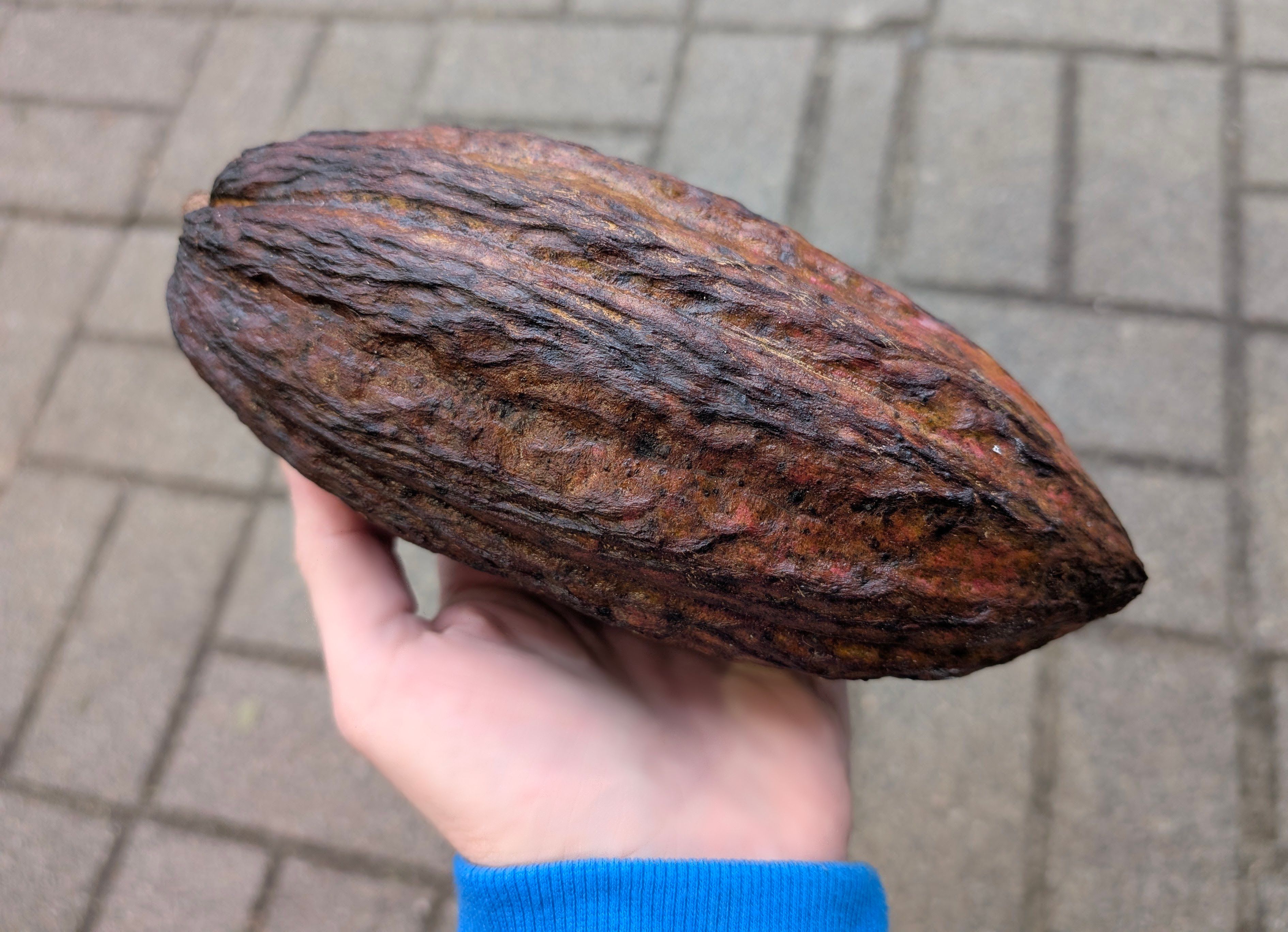
Baré-Bakem: documenting industrial progress to support local cocoa processing
As of August 2026, the SAMEN INDUSTRY project remains significant for Moungo. The institutional priority is to document its progress and prepare structured engagement with producers, buyers and industrial partners.
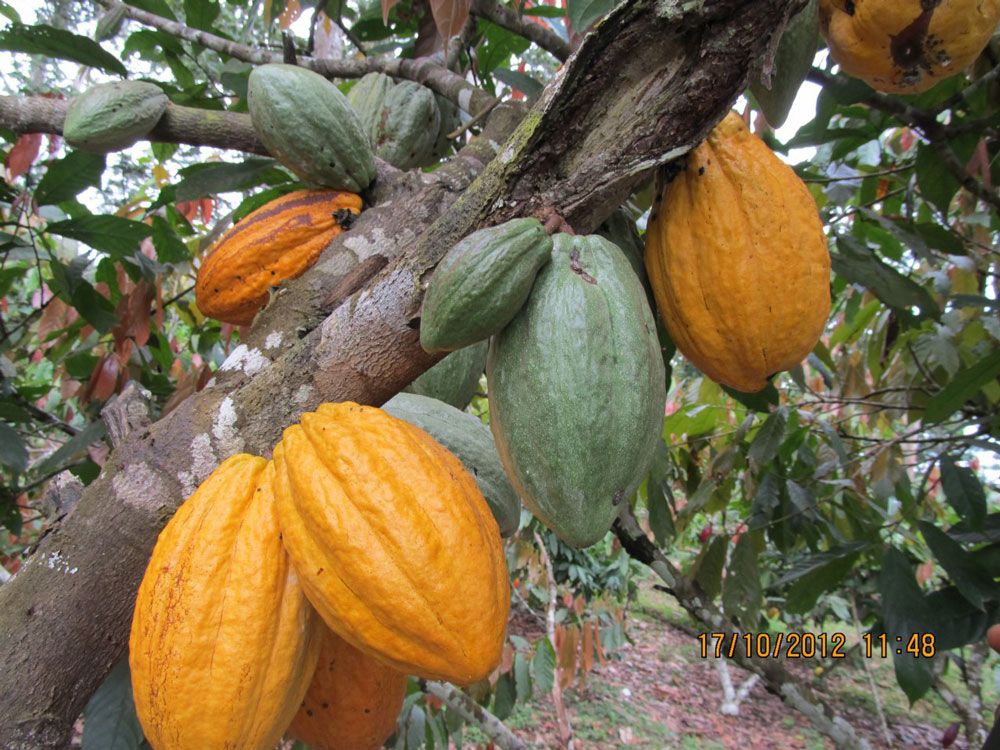
Cocoa processing: securing bean supply and derivative outlets
In Cameroon, bean costs remain critical to grinding economics. International demand signals call for separate commercial strategies for butter, powder, liquor and cake.